An electronic seal and a GPS e-lock are not opposite levels of technology. Electronic seals can use different sensing and communication methods, including networked GNSS tracking. A reusable GPS e-lock combines a reusable locking mechanism with positioning; its reporting and control functions depend on the selected configuration. Compare the closure, information and operating workflow the shipment needs.
Compare capabilities rather than treating device labels as a hierarchy
These descriptions are selection aids, not mutually exclusive classifications. RFID and BLE can be interfaces within a connected seal or GPS e-lock. A product called an electronic seal may therefore provide more than local event logging.
| Description | Possible role | What to confirm |
|---|---|---|
| Mechanical seal | Physical identification and tamper evidence without electronic reporting | Closure fit, inspection procedure and the required physical-seal properties |
| RFID electronic seal | Identification and supported status or stored events through a compatible reader | Passive or active design, reader infrastructure and the available event data |
| BLE seal or accessory | A local wireless link to a compatible phone or gateway | Pairing, range and how data reaches a remote platform; BLE alone does not provide that path |
| Networked GNSS electronic seal | Positioning and remote reporting where the device and communication service support them | Sealing method, power, coverage, event handling and any supported commands |
| Reusable GPS e-lock | A physical lock intended for repeated authorized operation, with positioning | Lock mechanism, communications, remote-command support, firmware and platform integration |
A mechanical seal can remain useful when inspection and recorded seal identity satisfy the operation. Connected monitoring may be needed for location-aware exceptions or remote event review. Neither the product name nor the presence of GPS establishes acceptance for a particular customs project.

A seal event, a lock state and a door state answer different questions
Compare the evidence each device actually reports rather than describing every security event as a door opening:
- Seal or tamper event: a supported sensor detected a condition such as seal disruption. Check the event definition and possible causes.
- Lock state: the device reported a locking condition or operation. Check the device identity, timestamp and status freshness.
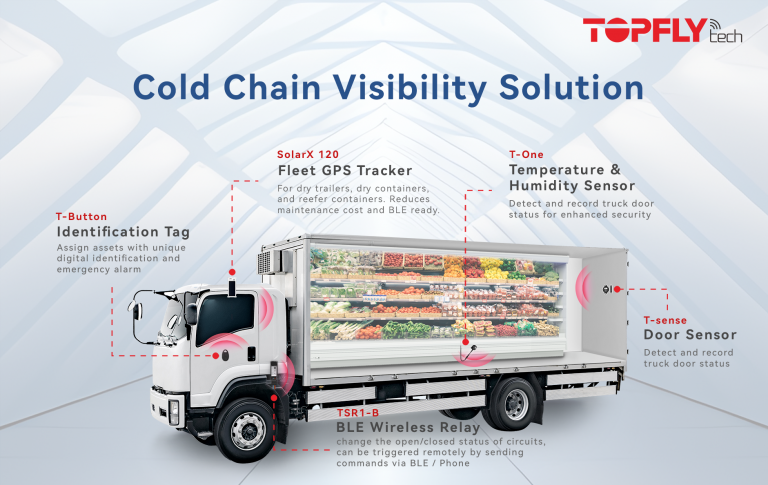
- Physical door state: a compatible door sensor or an agreed inspection provides separate evidence of the door’s condition. A lock event alone does not establish every door movement.
Keep these observations separate when investigating cargo-seal tampering and incident handling. An alert needs interpretation and an operational response.
What makes a device part of a managed cargo-security system?
A managed deployment connects several responsibilities. A GPS e-lock is one component; it does not independently supply every control or audit function.
- Hardware: provides the physical closure and supported positioning or sensing functions.
- Communication: carries supported data and commands through available local and wide-area links. Position acquisition does not establish successful upload.
- Platform: interprets messages and implements the supported permissions, notifications and history. Confirm integration for the exact model and firmware.
- People and procedures: define authorized release, review exceptions and record resolution. Data collection alone does not decide whether access was legitimate.
In customs-controlled, bonded or cross-border movements, test the event identity, time, location and communication state against the agreed workflow. See how GPS e-locks fit a cross-border logistics workflow for the process context.
Independent locks and main-lock systems can both feed one platform
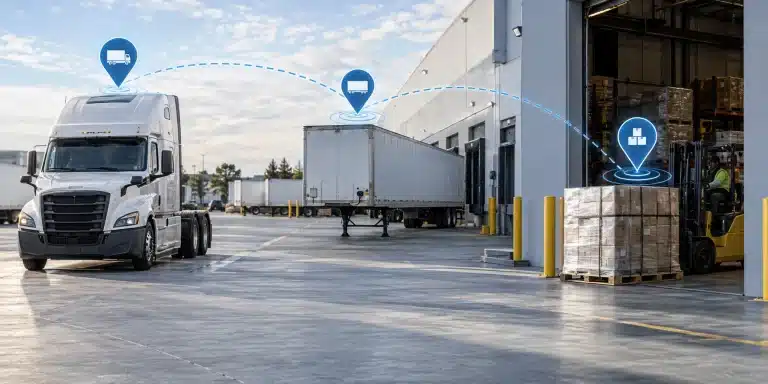
Several independently connected GPS locks do not necessarily create fragmented records. Compatible devices can report to one platform with a shared asset and shipment model. Independent reporting can be useful when containers separate or visibility must continue after another device is removed.
A main GPS e-lock with compatible BLE sub-locks is another configuration to assess when access points stay together. Confirm model compatibility, supported quantity and performance around metal partitions. A local link or main-unit failure may affect the information available from sub-locks. Fewer cellular connections do not by themselves prove lower total cost.

Use the customs cargo e-lock deployment and acceptance guide for field checks, individual lock-state confirmation and connection-loss scenarios.
Choose the next page by the decision you need to make
- SolarGuardX GPS e-lock selection guide: compare model roles and connectivity choices.
- SolarGuardX 110: review a concrete main GPS e-lock model and confirm its proposed configuration.
- Customs cargo-supervision solution: review the ECTS application context and project requirements.
- TIR tracking solution: review the route and handover context for a cross-border deployment.
Before selecting hardware, request a compatibility record, supported message examples and representative field-test evidence. Verify authorization, offline behavior and event reconciliation with the platform supplier. Compare installation, communication subscriptions, maintenance and recovery effort for the actual route.
Contact TOPFLYtech to assess the proposed cargo-security configuration with the asset layout, route, required events and existing platform.