
GPS E-LOCK

TOPFLYTech GPS Elock gives your containers and high-value assets a smarter layer of protection. It combines precise GPS tracking with a rugged electronic lock, helping you monitor door status, location, and tamper events in real time. Whether it’s cross-border logistics, intermodal transport, or high-security shipments, this E-lock keeps operations transparent and compliant. With long-lasting power, reliable connectivity, and seamless platform integration, TOPFLYTech GPS Elock helps fleets reduce risks, streamline audits, and maintain full visibility from departure to delivery.

SolarGuardX 100
(4G CAT-M1)

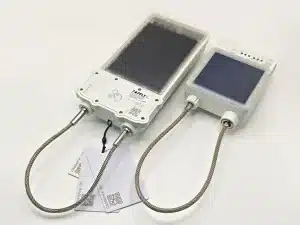
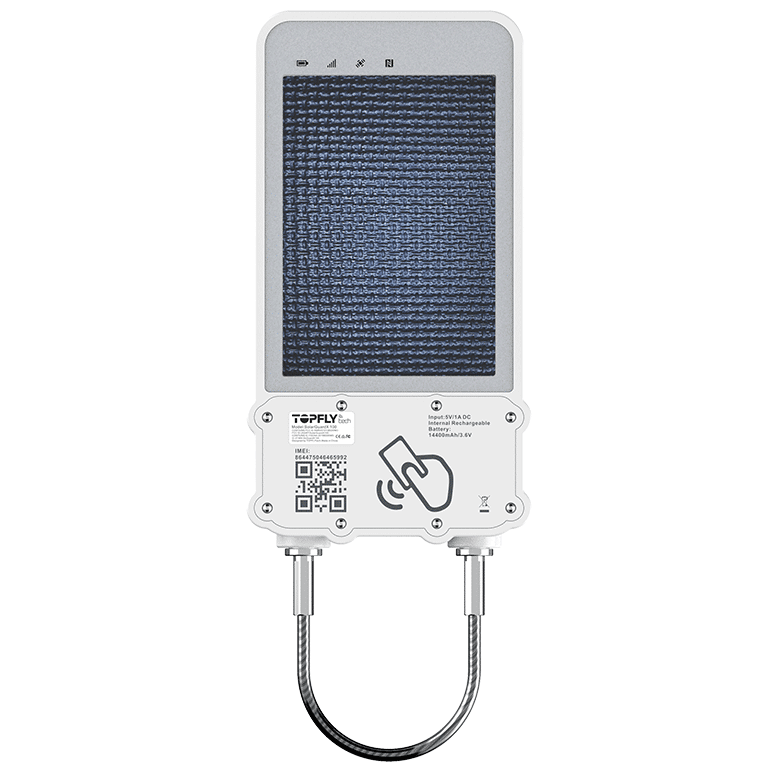
TOPFLYtech SolarGuardX 110 GPS elock main device front transparent

SolarGuardX 110
(4G CAT-1)

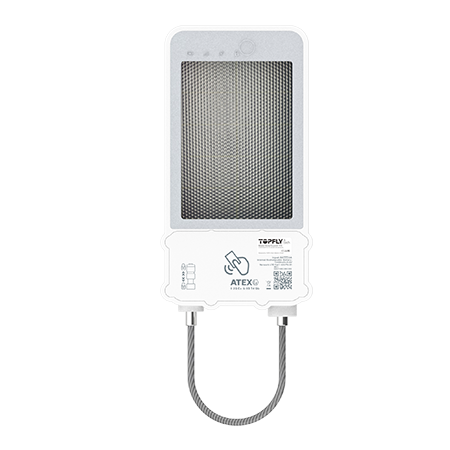
SolarGuardX 200
(4G CAT-1)

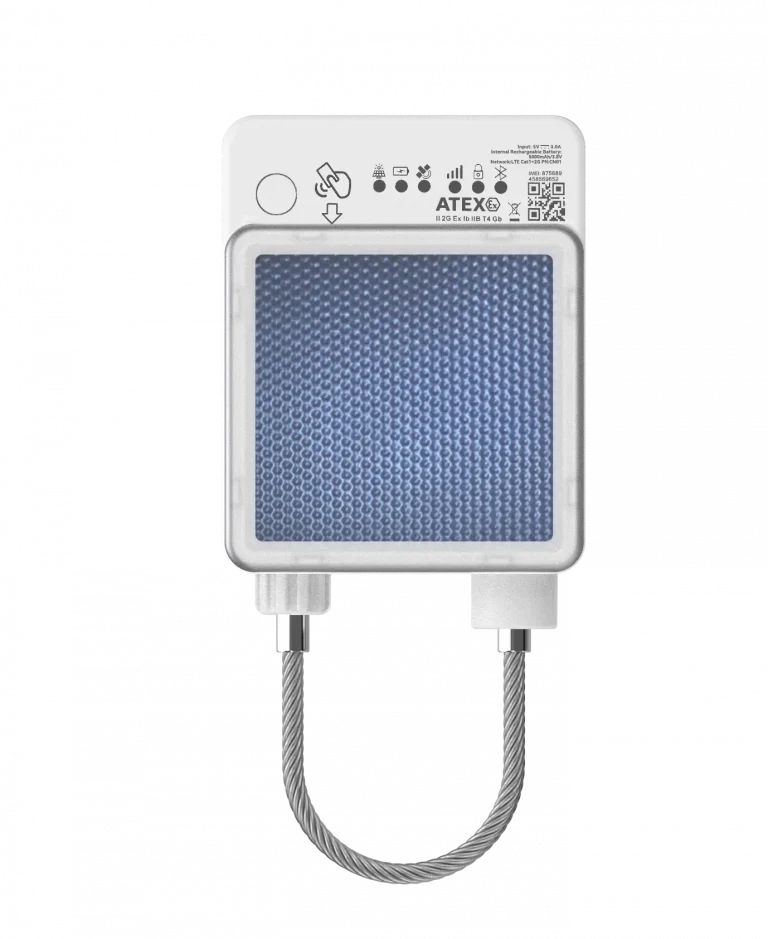
SolarGuardX 120 CB01 4G+2G GPS electronic lock main image front view transparent background

SolarGuardX 120
PN:CB01 (4G CAT-1)

SolarGuardX 120
(BLE Sublock)

Compare SolarGuardX GPS E-lock Models | TOPFLYtech

GPS E-lock Selection Guide

Find the Right SolarGuardX Model

Start with the cellular technology available in your market, then confirm the asset type and system role.

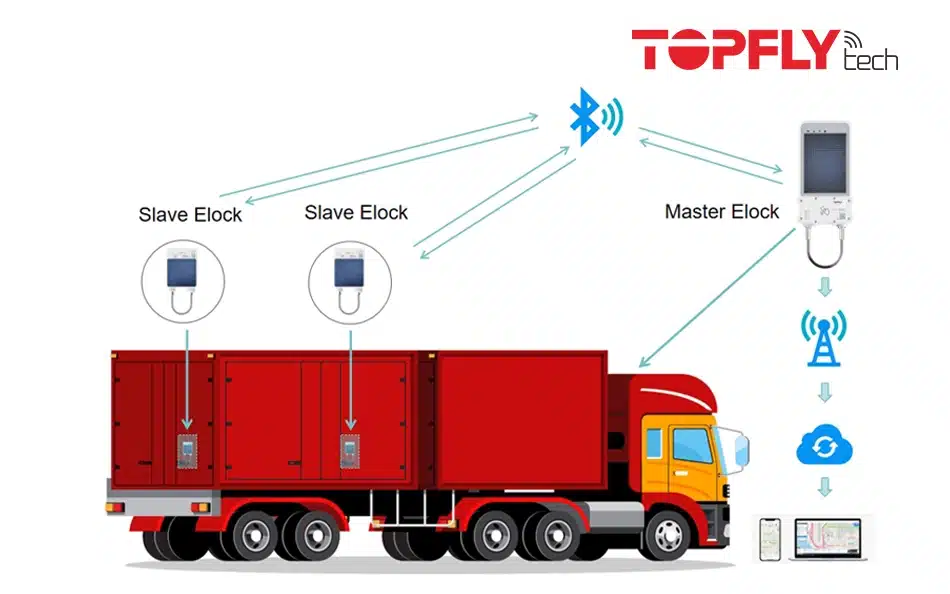
Quick rule: choose a main GPS e-lock for tracking and cellular reporting; add a BLE sub-lock when one asset has multiple doors, valves or compartments.

Choose connectivity:
ModelDeployment fitConnectivityBatterySystem role
SolarGuardX 100 View product → North American cargo and long-life IoT deployments LTE-MNB-IoT2G 14,400mAh Main GPS e-lock
SolarGuardX 110 View product → Cross-border containers, trailers and cold chain LTE Cat-12G 14,400mAh Main GPS e-lock
SolarGuardX 200 View product → Customs, heavy-duty and mixed-network deployments 4G3G2G 14,400mAh Main GPS e-lock
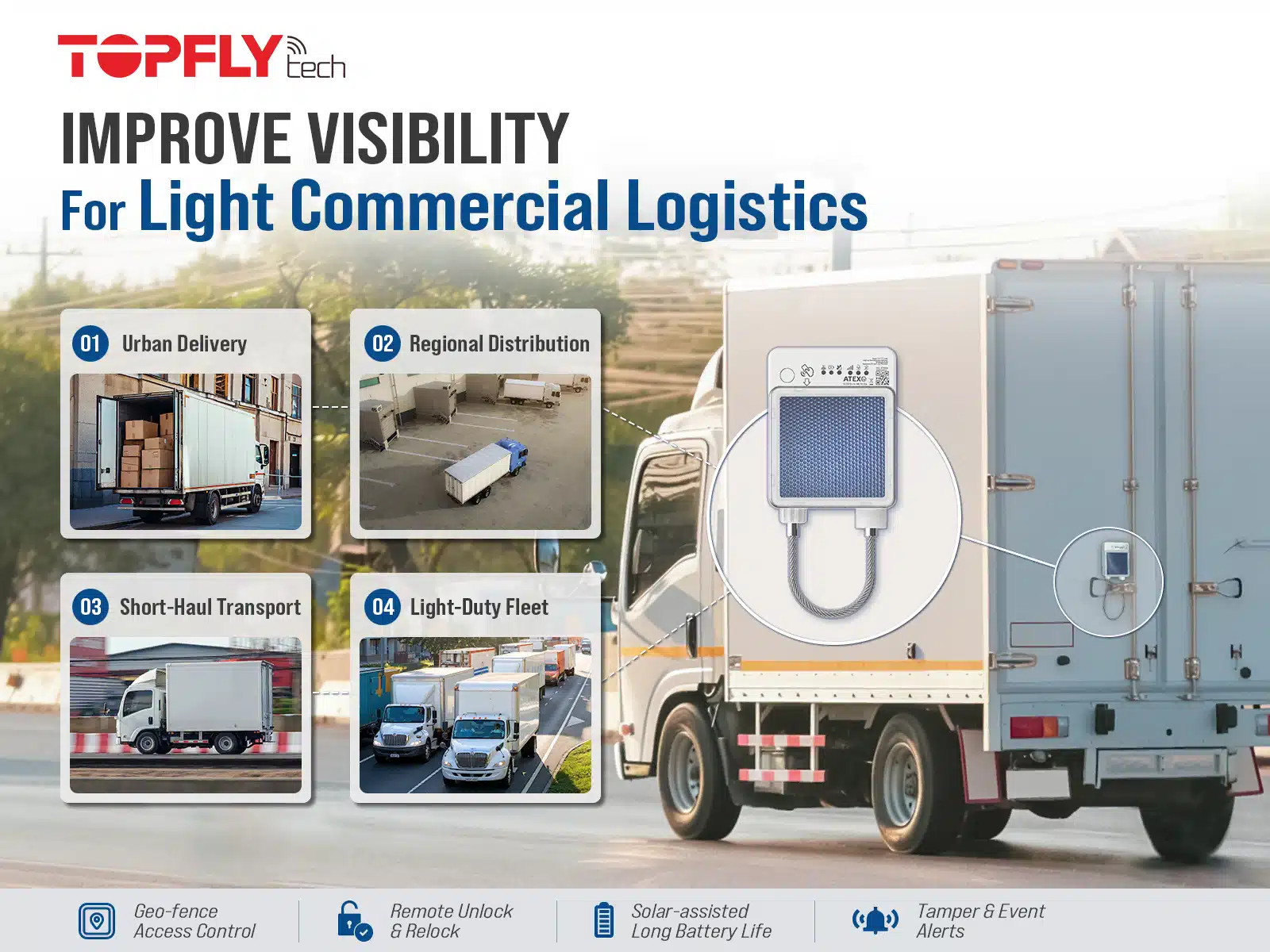
SolarGuardX 120 CB01 View product → Light commercial vehicles and urban logistics LTE Cat-12G 5,000mAh Compact main GPS e-lock
SolarGuardX 120 View product → Multi-door, multi-valve and multi-compartment security BLE 5.3 2,500mAh Secondary smart lock

Before ordering: confirm the exact LTE bands, carrier availability, roaming, certifications, platform protocol and accessory requirements for the deployment country.

Where Are SolarGuardX GPS E-locks Used?

SolarGuardX GPS e-locks are used to secure and monitor containers, trailers, bonded cargo, refrigerated shipments, multi-compartment vehicles and light commercial fleets. The appropriate SolarGuardX configuration depends on the local cellular network, asset size, number of access points and required cargo sensors.

Cross-border & bonded transport

Global customs cargo transport by sea, air and rail

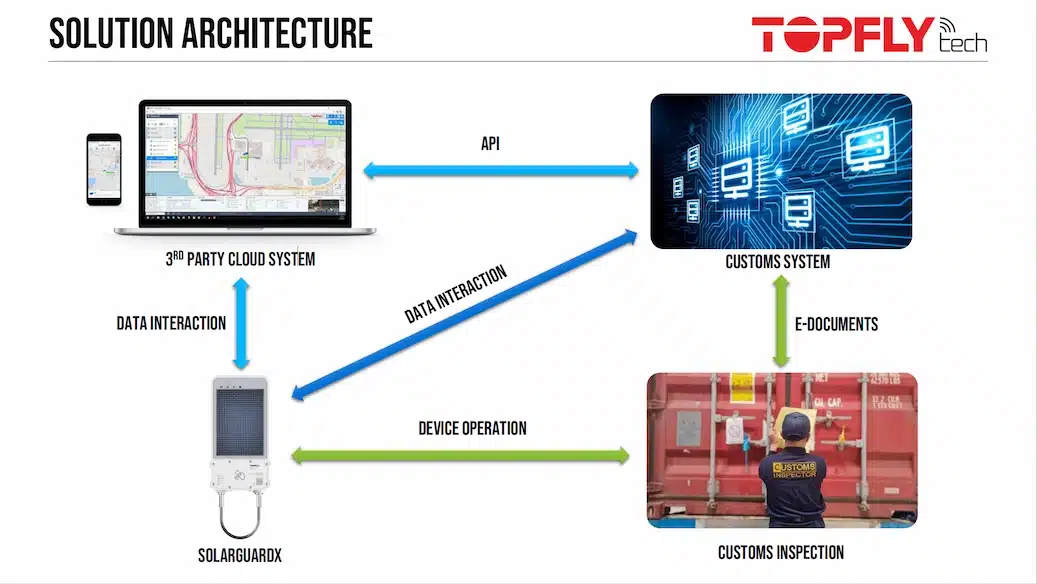
Monitor cargo location, lock status, route events and possible tampering during bonded or cross-border transport.

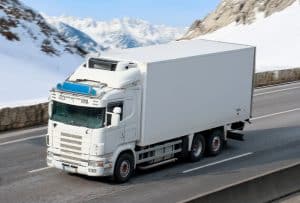
Cold-Chain Cargo Security

Refrigerated truck driving through a mountain pass for cold-chain transport

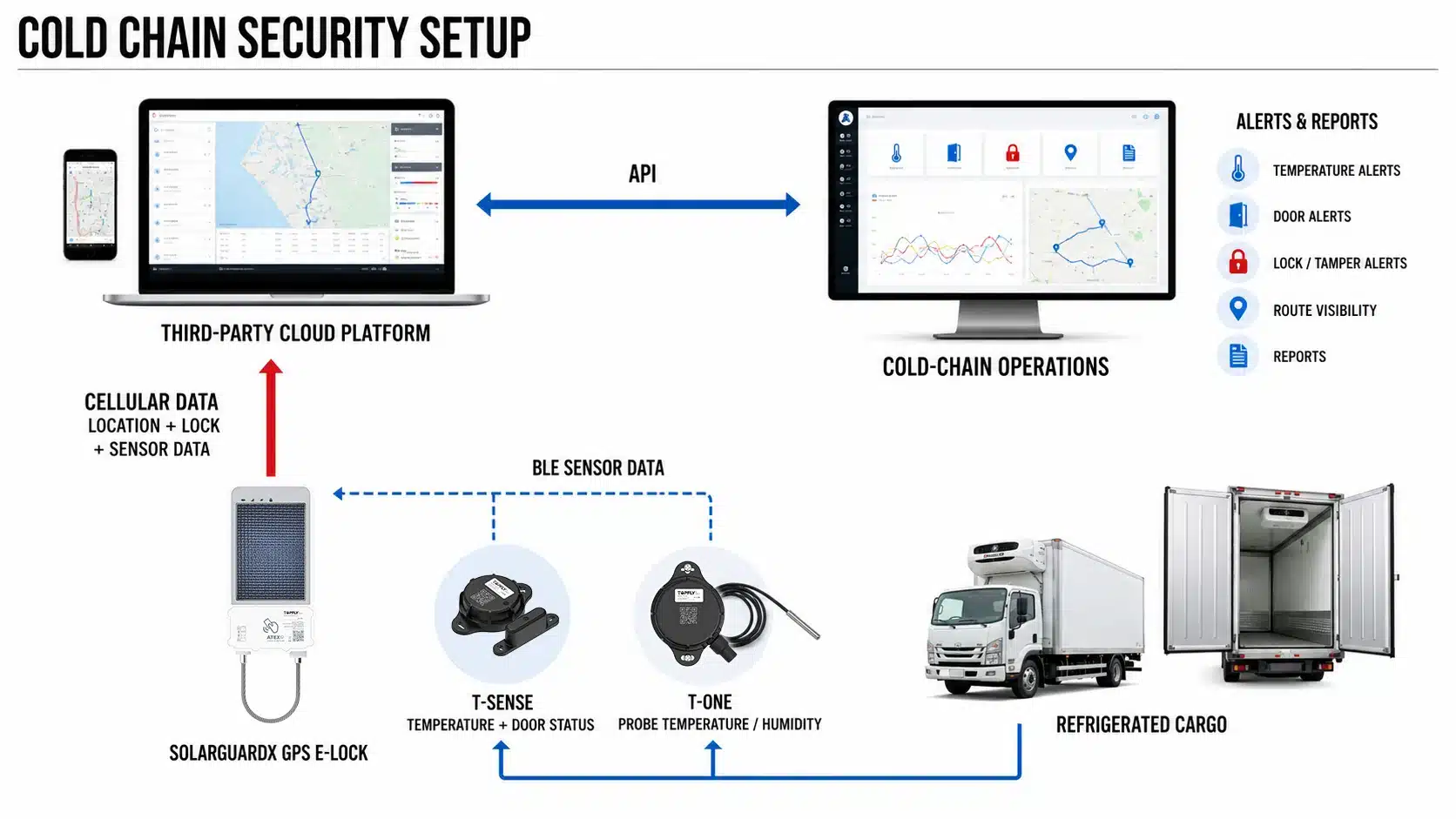
Combine cargo access control with temperature, humidity and door-status monitoring.

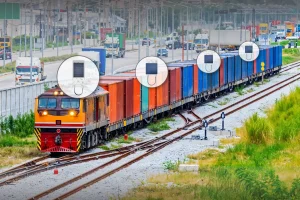
Multi-Compartment Security

Freight train with master and sub-lock icons for multi-car cargo security

Use one cellular main lock to supervise additional doors, valves or compartments through BLE sub-locks.

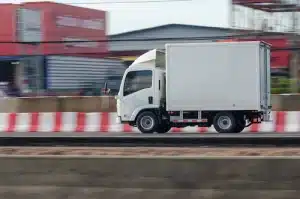
Light Commercial Vehicles

Add location and cargo-access visibility to vans, small trucks and high-frequency delivery fleets.

Proven Ruggedness for Real-World Cargo Operations

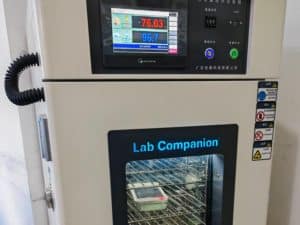
-25℃~80℃ Working Temperature for testing SolarGuardX

Operating Temperature:
–25°C to +80°C

SolarGuardX under Water Pressure Test

Pressure Tested at an Equivalent Water Depth of 15m
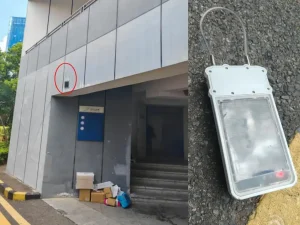
SolarGuardX under 5-meter drop test

5m Drop Tested on All Faces

SolarGuardX under 900Kg Strength Pulling Test

Up to 900kg Pull Strength

Certifications & Regulatory Approvals

SolarGuardX GPS e-locks are tested for demanding cargo and outdoor logistics environments. Depending on the model, testing covers extreme temperatures, water pressure, multi-face drops, and high pull-force resistance. Test conditions and applicable certifications vary by model.

TOPFLYtech CE Certified Product
TOPFLYtech FCC Certified Product
TOPFLYtech RCM Certified Product
TOPFLYtech RoHS Certified Product
TOPFLYtech NBTC Certified Product
TOPFLYtech CITC Certified Product
TOPFLYtech TDRA Certified Product
TOPFLYtech Atex Certified Product

SolarGuardX 110 has obtained key international certifications, including CE, FCC, RCM, RoHS, NBTC, CITC, TDRA, and ATEX, demonstrating compliance and reliability for fleet management and logistics applications in Europe, Asia-Pacific, and the Middle East. These certifications ensure dependable deployment in logistics monitoring, fleet operations, and cross-border transportation projects within the regions covered by the respective standards.

CE · FCC · RCM · RoHS · NBTC · CST · TDRA · ATEX. Certifications vary by SolarGuardX model and target market. Please refer to the individual product page or contact TOPFLYtech for applicable approvals.

FAQ

Choose a SolarGuardX model by cellular coverage, asset type and system role. SolarGuardX 100 is designed for LTE‑M/NB‑IoT deployments; SolarGuardX 110 uses LTE Cat‑1 with 2G; SolarGuardX 200 supports mixed 4G/3G/2G deployments; SolarGuardX 120 CB01 is the compact main lock for light commercial vehicles; and SolarGuardX 120 is a BLE sub-lock rather than a standalone cellular GPS e-lock. Confirm the required LTE bands and operator coverage before the next step.

Yes. Compatible BLE sensors such as T‑Sense and T‑one can send temperature, humidity or door-status data to a SolarGuardX main GPS e-lock, which then uploads the sensor data together with location and lock events. Confirm sensor compatibility, quantity and transmission requirements for the selected model and installation.

Yes. A compatible SolarGuardX main GPS e-lock can communicate with SolarGuardX 120 BLE sub-locks to extend lock-status monitoring to additional doors, valves or compartments. The supported main-lock model, sub-lock quantity, BLE range and firmware configuration must be confirmed for each deployment.

No. Solar charging extends operating time but does not guarantee unlimited power. Actual energy balance depends on sunlight, installation angle, cellular signal quality, reporting frequency, temperature, movement and the number of connected sensors.

Live communication with the server pauses when cellular coverage is unavailable. Supported SolarGuardX models can store location records and upload them after connectivity returns, but event buffering, sensor-data retention and command availability should be confirmed for the selected model and configuration.

SolarGuardX can integrate with a compatible tracking platform when the required device protocol and command workflow are supported. Depending on the model and project, communication may include TCP, UDP, MQTT or SMS, while cloud API availability depends on the selected platform architecture. Confirm data fields, encryption, device commands and data ownership before the pilot.

Certifications are specific to the SolarGuardX model, hardware variant and target market; they should not be treated as series-wide approvals. Before procurement, verify the exact product code, certificate status, issuing body, regional scope and current certificate document with TOPFLYtech.

SolarGuardX pricing depends on the model, order quantity, cellular variant, BLE sensors, lock accessories, SIM or connectivity requirements, platform integration and customization scope. For an accurate quotation, provide the deployment country, mobile operator, asset type, fleet size, reporting interval, sensor requirements and unlocking workflow.

Related Blog

Modern logistics systems increasingly rely on real-time visibility of vehicles and cargo. At the system level, fleet telematics integrates GPS positioning, communication networks, and onboard devices to provide continuous operational …
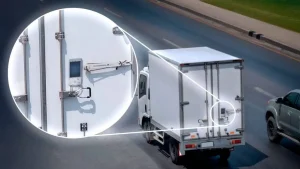
What this article covers This article compares traditional cargo seals with modern GPS e-locks systems from a practical, operations-first perspective. It is written for customs brokers, logistics managers and fleet …

Long idle periods do not mean zero power draw. This refresh explains how solar trackers behave during long dwell time and what buyers should evaluate beyond simple battery assumptions.
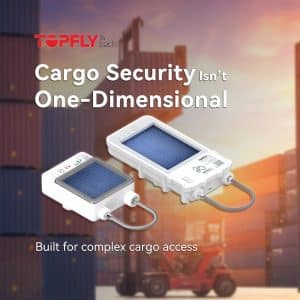
Cross-border cargo security is not just about locking a container. This refresh explains how GPS E-lock workflows support route control, customs supervision, tamper visibility, and auditability across international logistics operations.

Cargo tampering costs more than the missing goods. This refresh explains why compromised seals create broader operational risk and how GPS E-lock workflows reduce uncertainty, delay, and traceability gaps.
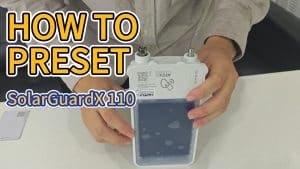
Unboxing and First Impressions So, you’ve just received your brand-new SolarGuardX 110, and you’re excited to set it up. You open the box, and inside, you find: Now, you might …


Get Started

Talk to our team to see how this works in your use case.