When a solar tracker stops moving with the asset, the operational question changes. Instead of asking where the asset is right now, teams start asking whether the device will still be alive and useful after weeks or months of inactivity. That is why long idle periods are not just a technical edge case. For containers, trailers, rental assets, and parked equipment, they are one of the most practical battery-risk scenarios in the entire deployment.
The good news is that idle does not automatically mean failure. The bad news is that idle also does not mean zero power consumption. A solar tracker can still drain quietly if reporting logic, installation conditions, and power management are not matched to the real storage pattern.
Why Idle Assets Still Consume Power
One of the most common misunderstandings is that a stationary asset becomes electrically “inactive.” In practice, a tracker may still be doing several jobs during idle periods:
- sending scheduled heartbeat messages,
- maintaining network availability,
- waiting for vibration, movement, or tamper triggers,
- performing internal diagnostics and battery management.
That means long survival does not come from solar charging alone. It comes from the relationship between hardware, firmware strategy, reporting profile, and installation reality.

The Four Variables That Matter Most During Long Idle Periods
When buyers evaluate whether a solar tracker can survive long dwell time, four variables usually matter more than headline battery capacity.
- Reporting strategy: a device sending one daily heartbeat behaves very differently from one that keeps checking in aggressively.
- Solar exposure quality: an open container yard is different from a shadowed depot, stacked container lane, or winter storage pattern.
- Power-management logic: sleep mode, wake-on-motion, and scheduled wake rules often create the real difference between months of life and premature drain.
- Battery-management design: good charging and discharge control protects the device during long, uneven service cycles.
This is exactly why a generic formula rarely captures real tracker endurance. If the team wants to understand why simple estimates drift, Why Standard Battery Life Calculators Fail for IoT Trackers is a useful companion read.
Idle Performance Depends on Deployment Fit, Not Just on “Solar”
Not every solar tracker deployment behaves the same during long idle periods. The asset type and placement pattern change the result significantly.
- Containers and yard assets: solar can work very well, but shadowing, stacking, and dwell patterns matter.
- Trailers and unpowered equipment: survival often depends on how well the reporting logic matches real movement frequency.
- Leased assets or seasonal equipment: the device must stay useful even when the asset sits for far longer than the buyer originally expected.
That is why “outdoor-ready” and “idle-ready” are connected but not identical questions. The related article Does All Solar Tracker Truly Mean Outdoor-Ready? helps frame the durability side, while this article focuses more directly on long dwell-time behavior.

What Buyers Should Ask Before Choosing a Solar Tracker for Idle Assets
For idle-heavy deployments, buyers usually get better answers when they ask operational questions instead of battery-only questions:
- How often will the asset really move?
- Where will it sit when not moving — open yard, stacked container lane, depot, indoors, or mixed conditions?
- What reporting cadence is actually necessary during inactivity?
- What happens after weeks of weak solar exposure or seasonal change?
These questions help determine whether the deployment needs a solar-first tracker, a different reporting profile, or a different asset-visibility design altogether.
Where Long-Idle Solar Tracking Creates the Most Value
Solar tracking during idle periods is most valuable when maintenance access is expensive, asset downtime is long, and visibility still needs to remain available. In those conditions, the system does not need to stream data constantly. It needs to preserve useful presence and exception awareness without constant servicing.
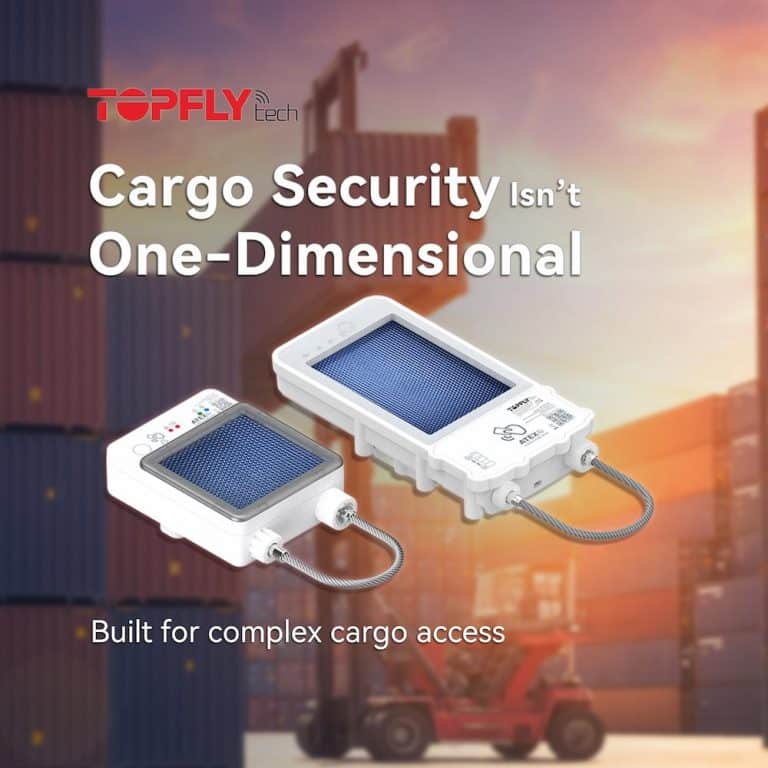
That is why the strongest fit is often in container and asset visibility programs such as the Container & Asset Tracking Solution, where long service intervals and outdoor exposure are part of normal operations.
For buyers who are already evaluating the product side, the Solar Powered Asset Tracker overview and SolarX 130 product path help connect this endurance discussion to real device options.
The Practical Takeaway
A long idle period does not automatically kill a solar tracker — but it also does not automatically prove that the device is ready for the deployment. Real performance depends on the interaction between sunlight, reporting logic, battery management, and the operational pattern of the asset itself.
That is why teams choosing a solar tracker for idle-heavy assets should focus less on marketing assumptions and more on the actual dwell-time workflow they need the device to survive.
Next Step for Idle-Heavy Asset Programs
If your deployment is container- or yard-focused, start with the Container & Asset Tracking Solution. If you are comparing category fit first, review the Solar Powered Asset Tracker page and SolarX 130. And if your team wants help matching long idle behavior to the right device profile and reporting strategy, contact TOPFLYtech for a deployment-specific recommendation.