If your operation involves equipment deployed at remote job sites, container yards, agricultural fields, or anywhere without a reliable external power source, battery maintenance on GPS trackers becomes its own logistics problem. Solar-powered asset trackers can reduce charging visits when enough light reaches the panel. Choosing a device still requires a power budget, a suitable mounting position and a working communication path. In this guide, off-grid power means no external power supply, not operation without cellular coverage.
Why power supply is the central challenge in off-grid asset tracking
Most fleet managers focus their GPS tracker evaluations on features: geofencing, alert configurations, platform integrations. Power supply gets treated as a footnote. That’s a mistake, particularly for non-vehicle assets — trailers, containers, construction equipment, agricultural machinery — that sit stationary for extended periods or operate in locations without shore power access.
Battery-only trackers must balance reporting frequency with available energy. More frequent positioning and transmissions can increase power use, while longer intervals provide less frequent location updates. For assets deployed across multiple sites or geographies, charging visits and battery replacement can add operational cost. Use the battery life calculator to compare supported assumptions, then validate the proposed reporting profile on the actual device. An estimate is not a measured maintenance interval.
Solar charging adds energy to the battery, but it does not remove the tradeoff between reporting frequency and runtime. The usable charge depends on sunlight, panel exposure, shading, temperature and installation. Energy consumption also changes with positioning frequency, cellular signal conditions, movement and connected accessories. More frequent reporting is sustainable only when the available charge and stored energy support the chosen workload, including periods with little or no solar input.
This matters most for equipment categories where undetected movement is the primary risk — construction equipment left at an unsecured job site overnight, trailers dropped at intermodal yards, portable generators deployed at infrastructure worksites.
The equipment theft context

For procurement planning, review your own records of missing equipment, unplanned movement, recovery attempts and operational disruption. Identify which assets are exposed, where they are stored and how quickly staff can respond to an alert. Those records give a more relevant basis for a tracking decision than an undated industry-wide loss or recovery figure.
The financial exposure from theft goes beyond the replacement cost: project schedule disruption, emergency rental equipment at premium rates, insurance premium increases, and the administrative burden of filing claims. For a mid-sized contractor, annual tool and small equipment replacement from theft and loss can become a significant line item.
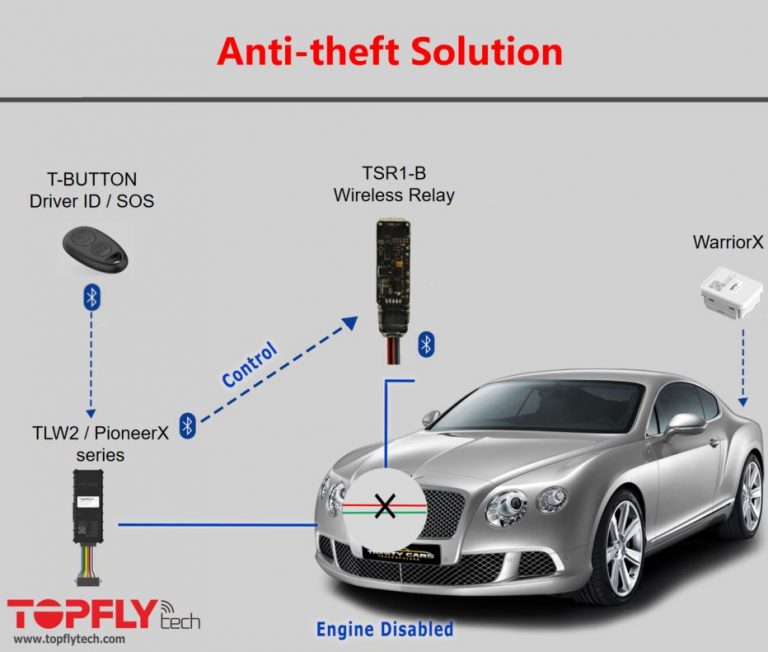
GPS tracking does not guarantee theft prevention or recovery. A powered device with a usable position fix and communication service can provide information for the response process, but reporting gaps may still occur. Review how staff will receive and investigate alerts, and what records the selected model retains during a communication interruption. See also the vehicle anti-theft solution overview and industrial asset hidden tracking for related approaches.
How solar GPS trackers work in field conditions
A solar-powered GPS tracker combines a photovoltaic panel with a rechargeable battery. The panel charges the battery when light and installation conditions permit; the battery powers the device when solar input is insufficient. Runtime through night-time parking, shade or overcast weather depends on the stored charge and reporting workload. Ask for test conditions for the intended model, then test the longest low-light period expected on the route or site.
Compare panel and battery specifications with the reporting profile, then assess the model’s ingress protection, temperature limits and mounting requirements against the operating environment. A stated ingress rating is not a substitute for checking its scope and the relevant test documentation. Dirt, shading, damage and installation changes can reduce charging or require a maintenance visit. Network availability is a separate selection requirement.
LTE Cat-1 and LTE Cat-M1 (LTE-M) offer different connectivity options, but neither is automatically the better choice for a rural or remote site. Check the exact device bands, local operator service, SIM or roaming arrangement and reporting requirements. Test registration, message delivery and power use on representative routes. A technology label alone does not establish coverage, reliable data delivery or lower energy use for a particular deployment.
Multi-constellation GNSS can use signals from more than one satellite system. Confirm which constellations the selected model supports and test position acquisition at the intended mounting points. Buildings, terrain and metal structures can still affect reception, so a longer constellation list does not guarantee a usable fix at every location.
What fleet managers should evaluate
Asset type and deployment profile
For a parked trailer or an excavator moving between job sites, start with the maximum acceptable delay for detecting unexpected movement. Test periodic heartbeats, movement-triggered reports and GNSS acquisition against that requirement and the available energy budget. A long dwell time does not automatically justify infrequent security reporting. Confirm which reporting settings and event triggers the selected model and platform support.
Connectivity at the deployment location
Map your typical deployment locations against the relevant operators’ coverage, then verify service in the field. LTE-M, NB-IoT and other LTE services may have different availability even in the same region. Solar charging does not provide a cellular connection. Where no supported terrestrial service is available, live reporting will not be available through that service; evaluate a separately supported satellite or other communication system if the project requires reporting there. Do not assume a solar tracker includes that alternative.
Integration with your existing telematics platform
If you already run a fleet management system, confirm that the proposed hardware and protocol are supported. Check location and event fields, device identifiers, commands, timestamps and data ownership with the platform provider. A cloud API belongs to the selected platform architecture and is not implied by a device’s radio or protocol list. Running parallel platforms with separate logins and non-synchronized data can create overhead.
Installation requirements and mounting constraints
Solar trackers need unobstructed panel exposure. On enclosed trailers or equipment with overhanging components, panel placement may limit effective charging. Equipment that operates in dense forest environments or frequently sits under overhangs may see reduced solar performance. This is a design consideration, not a disqualifier, but it should be verified against your specific equipment types before deployment.
Alert configurability
Evaluate the events needed by the operation rather than assuming every model provides the same alerts. These may include geofence events, supported movement or removal alerts, and data from compatible door sensors for container security applications. Lock state, physical door state and asset movement are different observations. Test the selected device, accessories and notification routing; an unexpected event calls for investigation and is not proof of theft by itself.
Where TOPFLYtech’s solar product line fits
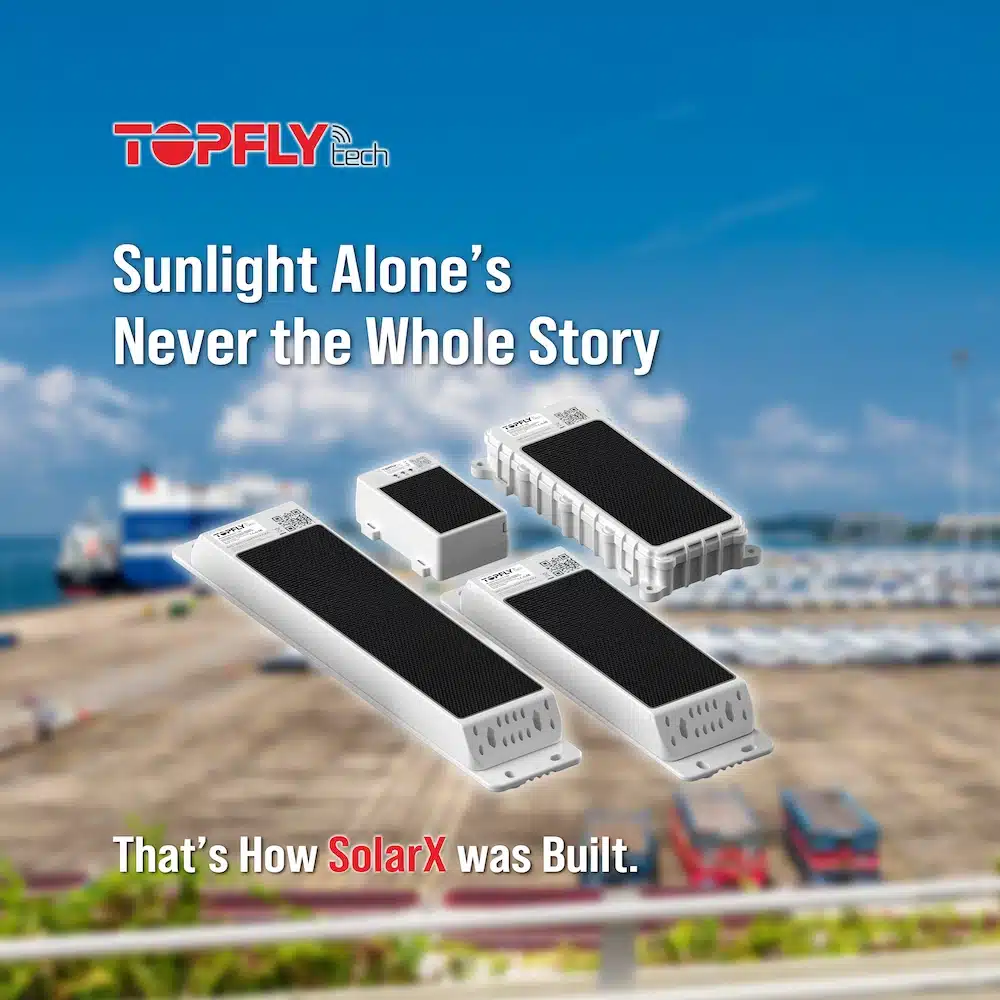
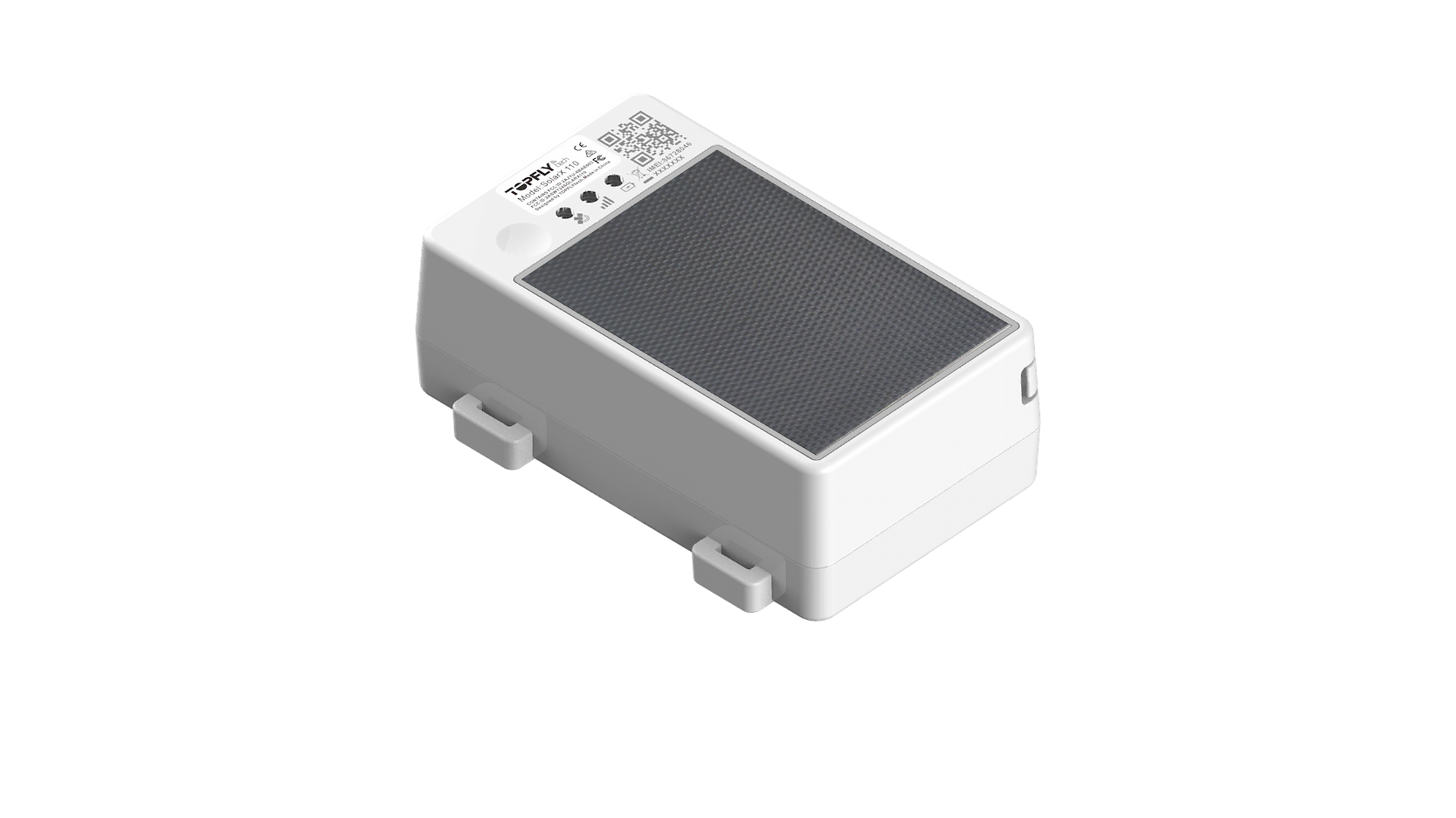
TOPFLYtech’s SolarX and SolarGuardX product families cover a range of outdoor asset tracking applications where wired power is unavailable. SolarX 110 offers a 4G Cat-1 option and SolarX 310 a Cat-M1 option for assets such as trailers and containers. Choose between the relevant variants using operator coverage, supported bands, installation and reporting tests, not an assumption that one radio category must work better outside a city.
SolarGuardX main GPS e-lock models add cargo-lock functions to location tracking. These electronic smart locks can report supported locking, unlocking and rope-cut events, with authorized unlocking methods depending on the model. Compatible BLE accessories can add temperature and humidity data or door-status monitoring. Confirm the accessory combination, reporting path and project requirements before deployment. For a broader view, see the cold chain monitoring solution.
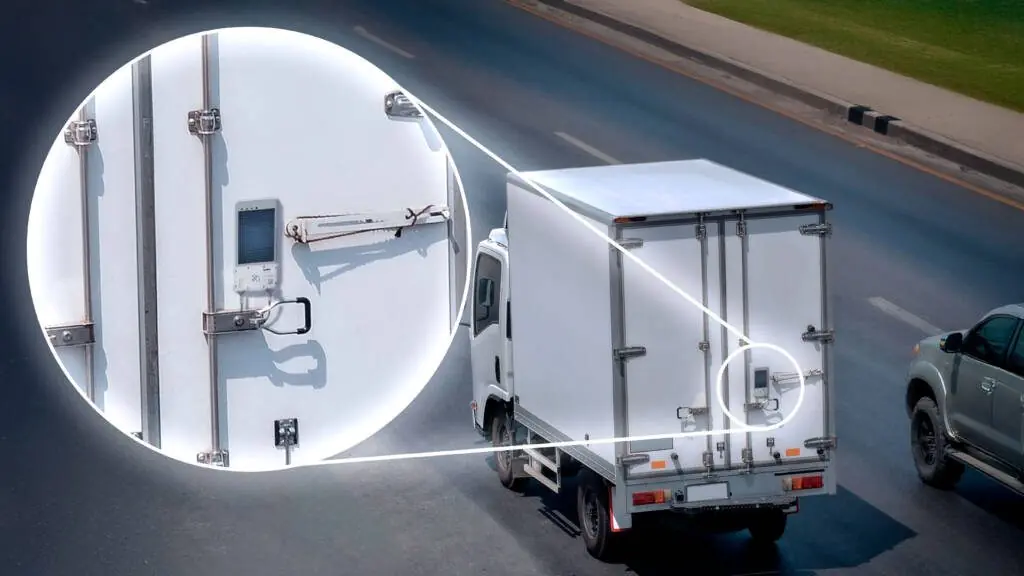
For operations with long unattended outdoor periods, evaluate both power supply and cellular availability. SolarGuardX 200 is a solar-powered cargo GPS padlock option when lock-integrity monitoring and controlled access are required. Confirm the selected network variant, supported sensors and charging requirements for the site; choose a device using its documented specification and pilot results.
The hardware’s operational value also depends on the platform and alert configuration. Agree the supported device messages and commands with the platform provider, then scope any enterprise API integration separately. Device protocols and cloud services serve different parts of the system. Request an integration demonstration using the events and reporting frequency that the project needs.
Making the case internally
For equipment managers trying to justify the investment to finance or operations leadership, the ROI framing needs to be grounded in your actual numbers rather than industry averages. The variables worth quantifying: current average response time when an asset goes missing or moves unexpectedly; number of battery-related gaps in tracking data over the past year and their operational consequences; cost of emergency equipment rental when assets were unavailable due to theft or unplanned movement; current administrative overhead for physical battery replacement visits across your tracker fleet.
Solar-powered trackers can reduce charging visits when the installation supplies enough solar energy for the workload. They do not eliminate battery ageing, panel inspection, cleaning or communication gaps. For assets parked for weeks at hard-to-reach sites, assess the expected low-light period, backup runtime and network service before relying on alerts. Compare the proposed system with your current process using measured pilot results. Get in touch to discuss the route, equipment, mounting positions, reporting requirements and platform.