When a truck seal is compromised in transit, the first instinct is to focus on the missing goods. But the real cost of tampering rarely stops there. Once a shipment has been opened, cut, swapped, or re-sealed outside the approved workflow, the damage spreads across claims, customs risk, inspection delays, customer trust, and operational credibility.
That is why cargo tampering is not just a theft problem. It is a control problem. The moment a logistics team cannot clearly show what happened, where it happened, and whether the event was authorized, the incident becomes much more expensive than the goods alone.
Why Tampering Creates Bigger Losses Than the Cargo Value Alone
A compromised seal can trigger several layers of cost at once:
- direct cargo loss from missing, damaged, or substituted goods,
- inspection and rework costs for repacking, cleaning, and incident handling,
- customs or compliance exposure when chain-of-custody becomes unclear,
- delivery disruption that affects customers, contracts, and downstream schedules,
- reputational loss that is difficult to quantify but very real in repeat business.
That is why a tampering event on a TIR truck, bonded container, or cross-border trailer is not a small exception. It can become an operational domino effect.

Why Traditional Seals Leave Teams Exposed
The problem is not only that traditional seals can be breached. It is that they often provide weak evidence once something goes wrong. A manual or basic seal may show that an opening happened, but it usually cannot provide the surrounding context that operations teams actually need:
- where the event happened,
- whether it happened inside or outside an approved checkpoint,
- how long the shipment remained exposed,
- what route behavior happened before and after the event.
Without that context, the logistics team is left reacting with partial information. That is exactly where the cost curve rises.
If you want the broader system comparison, GPS Elock vs Electronic Seal shows why this difference is really about workflow architecture, not just about hardware labels.
What Better Tamper Control Looks Like
Modern cargo control is not just about keeping the door shut. It is about creating usable evidence across the trip. That usually means combining:
- physical locking or sealing that protects the access point,
- location visibility that ties events to route context,
- alert and event history that support review after the incident,
- controlled unlocking logic that separates authorized handling from suspicious access.
This is why GPS E-lock workflows matter. They do not merely replace the old seal. They make it easier to prove what happened and manage exceptions before they turn into larger disputes.
The practical workflow side of that system is explained in How GPS E-lock Works in Cross-Border Logistics.
Where the Highest Tampering Risk Usually Appears
Not every shipment faces the same exposure. The practical risk is usually highest when:
- the cargo is high value or easy to resell,
- the route includes multiple stops, borders, or handoffs,
- the shipment travels under customs or bonded control,
- the operator cannot continuously verify lock status and route integrity.
That is why cross-border lanes, customs transit, and containerized movements are often the first places where tampering costs become strategically important rather than occasional.
Recommended Product Fit for This Use Case
If the goal is to reduce the cost of tampering through better control and traceability, these are the most relevant next paths:
- GPS E-lock — the best first step when comparing better seal-control hardware.
- Customs Supervision Solution — most relevant when cargo moves under stronger regulatory or customs oversight.
- TIR Tracking Solution — the right path when the route is cross-border and tamper events need clearer journey-level context.
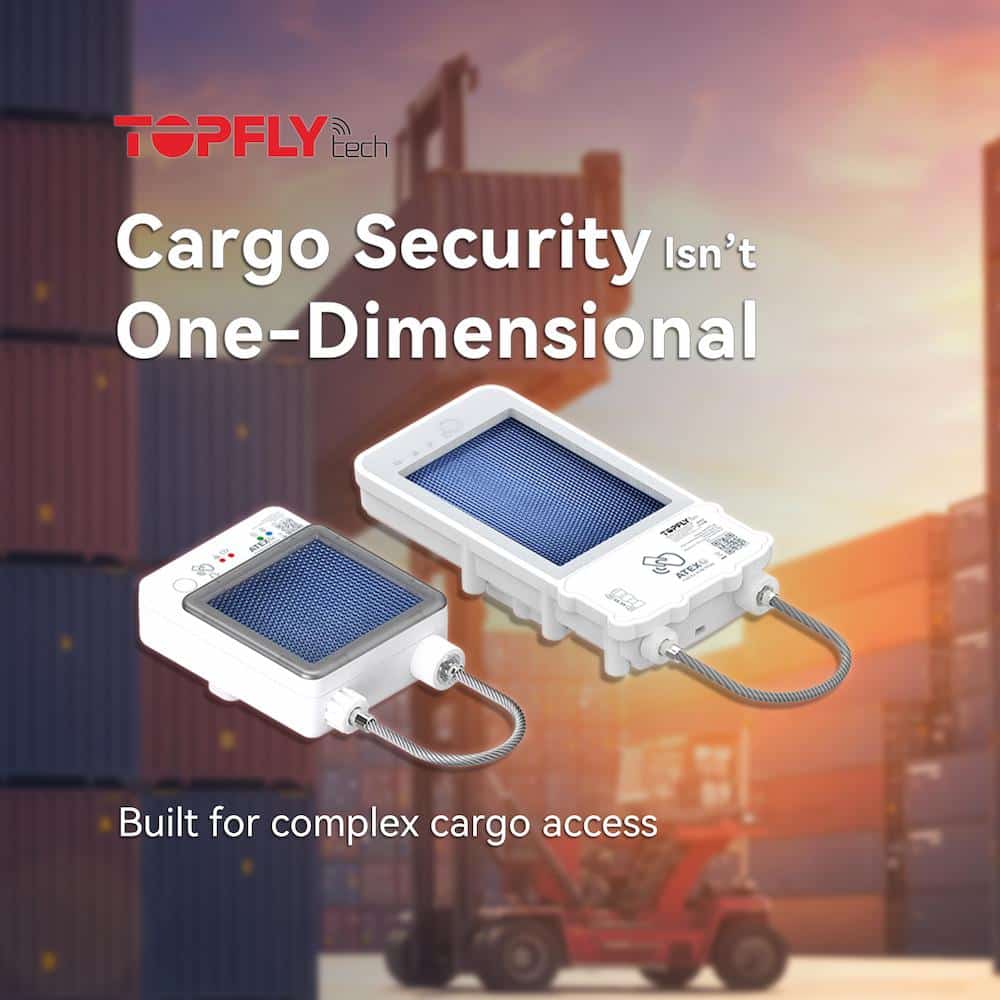
- SolarGuardX 110 — useful when the buyer wants to connect the workflow discussion to a concrete E-lock product option.
This keeps the article practical without turning it into a heavy product module.
The Practical Takeaway
The true cost of tampering is not just the stolen product. It is the uncertainty, delay, compliance exposure, and customer trust damage that follow when the operator cannot clearly reconstruct what happened.
That is why stronger cargo security is not only about stronger hardware. It is about stronger evidence and better process control across the whole trip.
Next Step for Teams Reducing Tamper Risk
If you are evaluating the product category first, begin with GPS E-lock. If the route runs through customs or regulated corridors, go to the Customs Supervision Solution. If your concern is cross-border trailer or container movement, continue to the TIR Tracking Solution. And if you want help matching the right tamper-control architecture to your cargo workflow, contact TOPFLYtech for a more practical recommendation.