Solar trackers and battery-powered trackers are often compared as if one of them should replace the other. In practice, that is the wrong framing. These two categories solve different operating problems. The better question is not which one is universally better. It is which one fits the service model, movement pattern, and maintenance reality of the asset being tracked.
That is why the comparison matters so much for buyers. The wrong choice can create unnecessary maintenance work, poor reporting fit, or unrealistic battery expectations. The right choice can reduce service friction and make the tracking program sustainable over time.
Where Solar Trackers Usually Win
Solar trackers create the most value when the asset spends meaningful time outdoors, maintenance access is inconvenient, and longer service life matters more than minimal upfront complexity.
The strongest advantages are usually:
- ongoing self-charging that reduces manual battery maintenance,
- higher reporting flexibility in many outdoor deployments,
- strong fit for containers, trailers, and yard assets that remain exposed to sunlight,
- better economics over time when the alternative is frequent service visits.
But solar only works well when the real operating environment supports it. Exposure, mounting position, dwell pattern, and power management still matter.
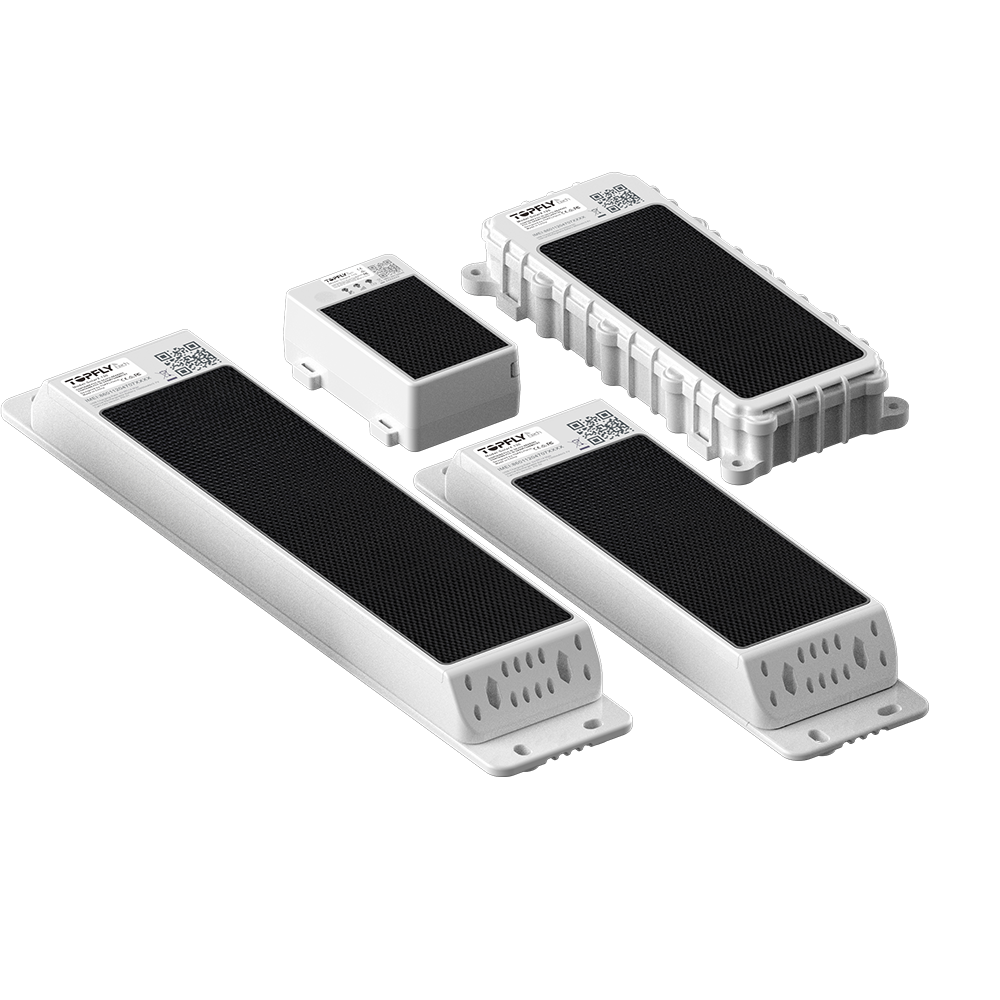
Where Battery-Powered Trackers Usually Win
Battery-powered trackers are often the better fit when solar exposure is unreliable, the installation must stay discreet, or the asset spends too much time indoors or in obstructed environments for solar charging to be trusted.
They are usually stronger when teams need:
- more flexible covert placement,
- use in indoor or mixed-light environments,
- temporary or irregular deployments where solar positioning is less practical,
- a smaller operational dependency on sunlight and mounting geometry.
The trade-off is straightforward: the less the device can recharge itself, the more important realistic battery modeling and maintenance planning become.

The Real Decision Is About Deployment Fit
In most projects, the choice comes down to four practical questions:
- Will the asset reliably receive sunlight?
- How often can the team realistically service or recharge the device?
- Does the use case require frequent updates or only periodic visibility?
- Is the tracker mounted openly on an outdoor asset, or hidden in a more protected location?
That is why a trailer in an open yard, a dry container on a route, and a covert high-value mobile asset may all require different tracker choices even if the buyer first describes them all as “asset tracking.”
If you want the solar endurance angle specifically, How Solar Trackers Perform During Long Idle Periods and Does All Solar Tracker Truly Mean Outdoor-Ready? are the best companion reads.
Recommended Product Fit for This Use Case
If you are deciding between the two categories, these are the most useful next pages to review:
- Solar Powered Asset Tracker — the best category-level path when the deployment is outdoors and service reduction matters.
- Battery Powered Asset Tracker — the right category path when covert placement, mixed environments, or battery-only logic fit better.
- SolarX 130 — a strong next stop for container, trailer, and outdoor logistics use cases.
- SentryX 100 — useful when the team needs a long-life battery-powered tracker path for non-solar deployments.
This is the clearest way to move from category comparison into practical product fit.
The Practical Takeaway
Solar trackers and battery trackers are not interchangeable. Solar tends to win when sunlight, outdoor service, and maintenance avoidance are central to the job. Battery-powered trackers win when placement flexibility, covert use, or unreliable solar conditions dominate.
The wrong choice usually creates service headaches. The right choice makes the tracking workflow sustainable.
Next Step for Asset-Tracking Teams Comparing Categories
If the use case is clearly outdoor-first, start with Solar Powered Asset Tracker and SolarX 130. If the deployment needs a battery-powered path, begin with Battery Powered Asset Tracker and SentryX 100. And if you want help mapping the right category to your maintenance model and reporting needs, contact TOPFLYtech for a scenario-specific recommendation.