Before a GPS elock appears in cargo transportation and customs-controlled transit market, electronic seals were once considered a major step forward. By recording door opening events and basic status changes, they replaced manual seals and reduced human intervention. For simple, single-door shipments, electronic seals still serve a purpose.
However, modern logistics has outgrown the limitations of standalone devices. World Customs Organization
The Limits of Traditional Electronic Seals
Most electronic seals are designed as standalone devices. Their core function is limited to detecting door status, with minimal location awareness and no centralized control. In real-world operations involving multi-door containers, bonded transport, or cross-border handovers, these limitations quickly surface.
Managing multiple independent seals often leads to fragmented data, higher power consumption, and reduced traceability. When each device operates in isolation, security becomes harder to manage rather than easier to control. At scale, electronic seal remains a device, and not complete enough to be a system.

Traditional container electronic seal, unlocked via RFID
What a GPS Elock Changes Fundamentally
A GPS elock tracker introduces a system-level approach to cargo security. By combining electronic locking, real-time positioning, and cellular communication, which provides continuous visibility throughout the transport journey. Unlocking is no longer a local action—it becomes a remote, permission-based operation recorded in a centralized platform.
This makes it particularly suitable for regulated logistics, customs supervision, and high-value cargo, where accountability and traceability are non-negotiable.
Single GPS Elock vs System-Level Architecture
Not all GPS padlock solutions are designed the same way, when some deployments simply replace electronic seals with one GPS padlock per door. While functional, this model increases hardware cost and power usage as the number of access points grows. Thus, a system-level elock architecture takes a more scalable approach.
Master elock: Centralized Control and Visibility
The master elock serves as the core controller of the locking system. It manages GPS positioning, cellular communication, remote lock commands, and event reporting. All security decisions and records are tied to this single source of truth.
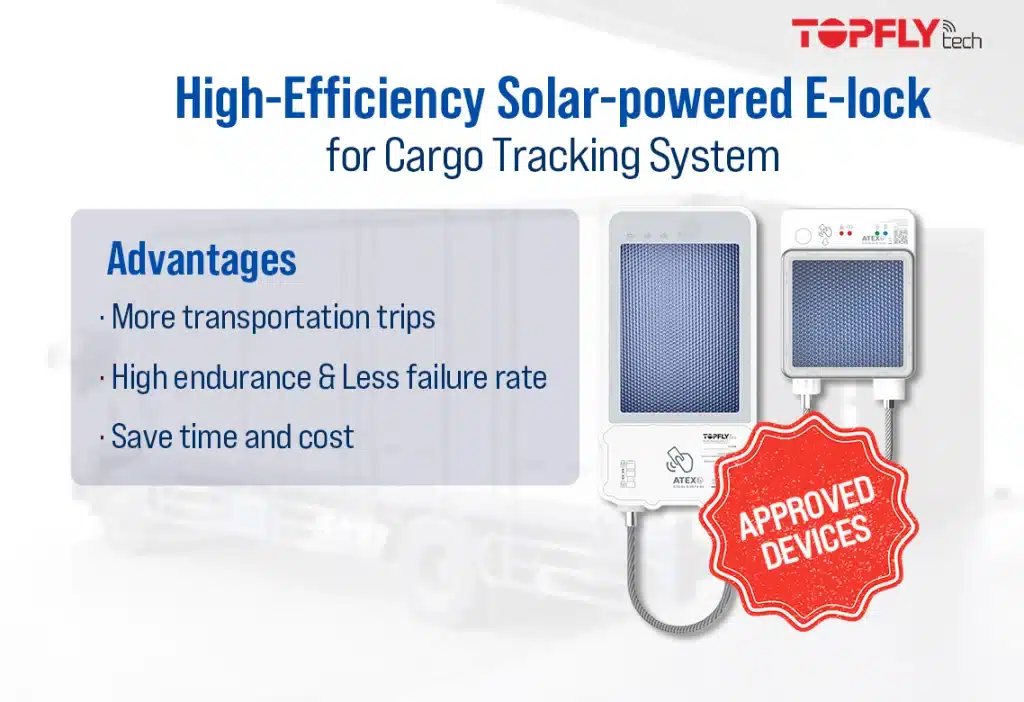
SolarGuardX 110 functions as a master GPS elock, providing continuous tracking and centralized control for the entire shipment.
? https://www.topflytech.com/en/solarguardx-110-4g-cat-1/
Sub elock: Extending Security Without Adding Complexity
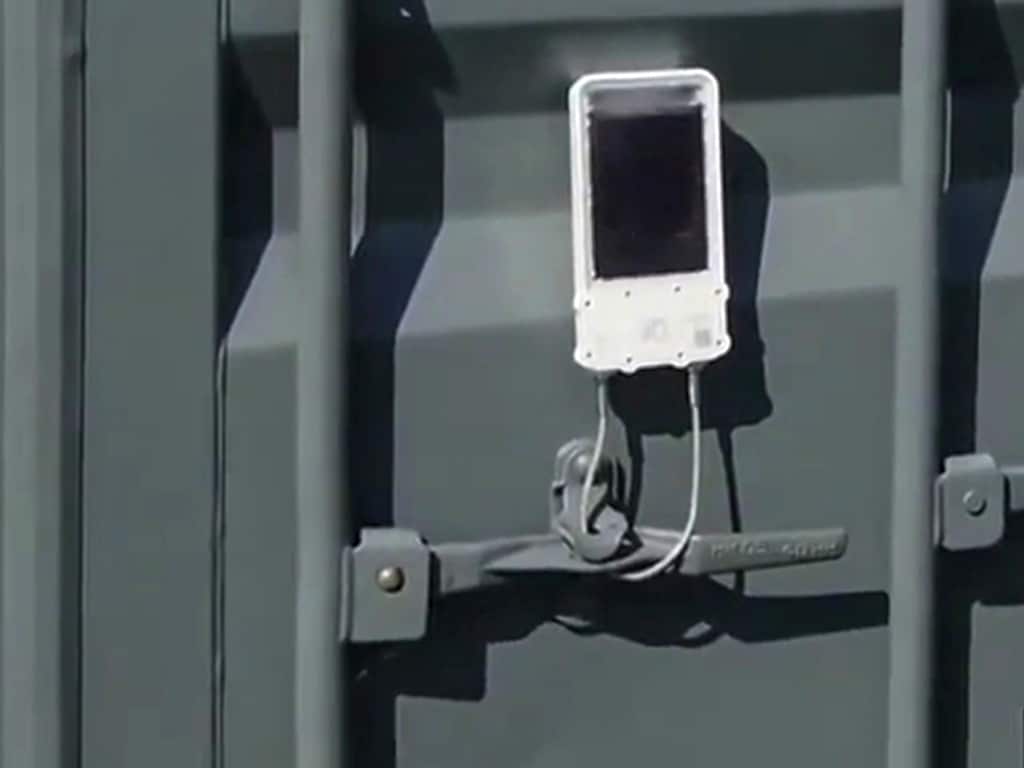
While Sub elocks are designed to secure additional doors without duplicating full GPS and cellular functionality, they connect to the master elock via Bluetooth and follow the same authorization logic.
SolarGuardX 120 is a Bluetooth sub lock controlled by the master elock. It focuses on physical locking and door status detection, while relying on the master e-lock for communication and positioning.
? https://www.topflytech.com/en/solarguardx-120/
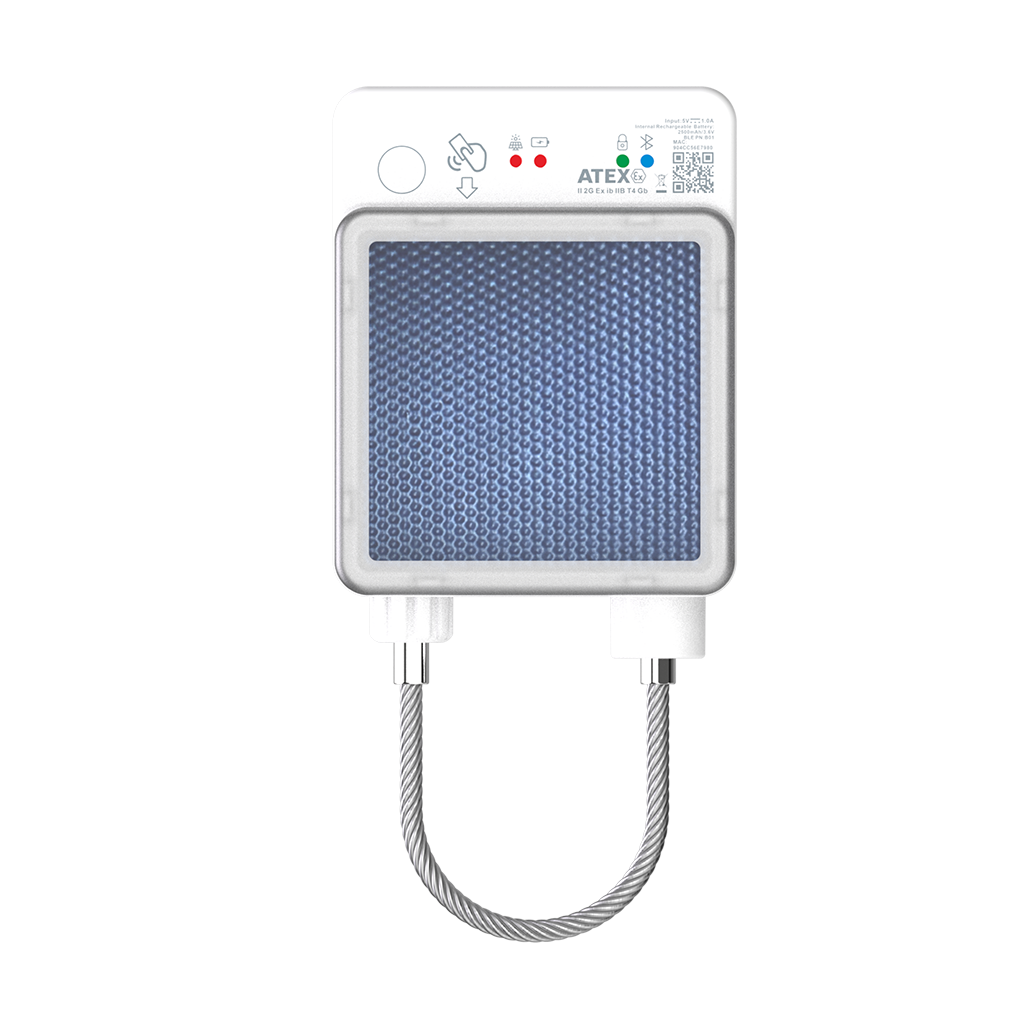
This master–sub elock structure enables multi-door control, reduces power consumption, and ensures all events are linked to a single, verifiable location source.
GPS Elock vs Electronic Seal: The Real Difference
To conclude, the real comparison is not simply GPS elock tracker versus electronic seal. It is about whether cargo security is treated as a standalone device or as a coordinated system.
For modern logistics operations that involve complex routes, multiple access points, and regulatory oversight, a master elock with Bluetooth sub elocks delivers the scalability, transparency, and control that electronic seals were never designed to provide.