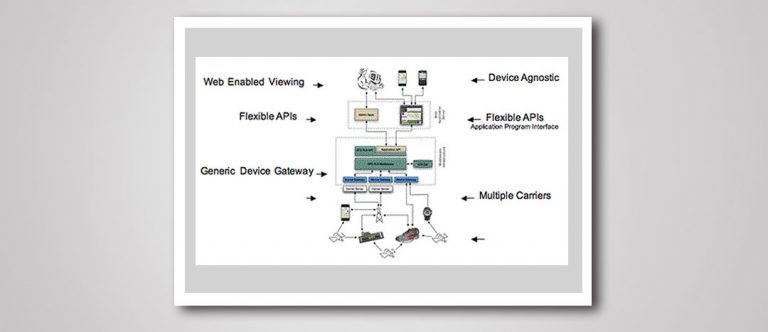
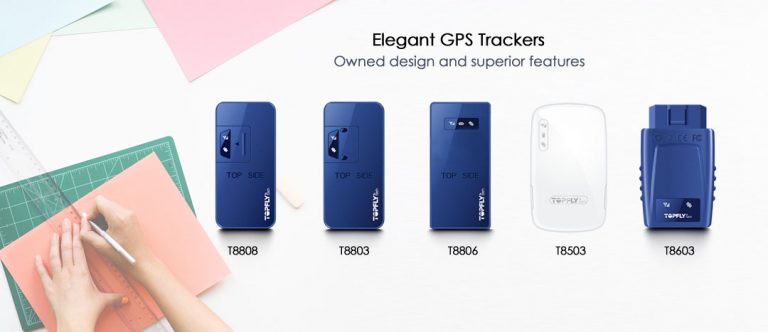
Electronic seals were an important step beyond manual sealing, but they were built for a simpler operating model. They can record whether a door was opened and, in some cases, log basic events. For straightforward, low-complexity movements, that may still be enough. But once cargo moves through customs-controlled corridors, bonded yards, multi-door containers, and cross-border handovers, the limits of a standalone seal show up quickly.
That is why the more useful comparison today is not just “electronic seal versus GPS E-lock” as two devices. It is “standalone event device versus managed security system.” That is where the real operational difference appears.
Where Electronic Seals Start to Reach Their Limit
Electronic seals are usually strongest when the task is simple: detect an opening event on a single access point and provide basic evidence after the fact. The problem is that modern logistics often needs more than that.
Once the workflow includes multiple checkpoints, multiple parties, or route-sensitive supervision, standalone seals often leave gaps such as:
- weak location context around opening events,
- limited centralized control across several doors or units,
- fragmented event history when multiple independent devices are involved,
- reduced traceability during customs or regulated cross-border movement.
That is why electronic seals can still be useful devices, but they often stop short of being a complete operational security system.

What a GPS E-lock Changes
A GPS E-lock changes the model by combining physical locking, location visibility, event reporting, and remote permission logic into a system that can be reviewed across the full transport process. The point is not only that the cargo stayed locked. The point is that the system can show where the event happened, when it happened, and whether it was consistent with the approved workflow.
This matters especially in:
- customs supervision,
- cross-border cargo security,
- bonded and controlled transit,
- multi-door or higher-accountability freight programs.
If you want the workflow view of that system logic, How GPS E-lock Works in Cross-Border Logistics explains how the monitored process usually works in practice.
Why System Architecture Matters More Than the Device Label
Not every GPS padlock deployment is automatically better just because it contains GPS. A one-lock-per-door model can still become expensive and fragmented if the architecture does not scale well. The real advantage appears when the locking logic, reporting logic, and event history are managed as one system rather than a loose collection of independent endpoints.
That is why buyers should look beyond product category names and ask:
- How is centralized control handled?
- How are events reviewed across the whole trip?
- How does the system behave when multiple access points exist?
- How clearly does it support customs, compliance, or exception handling?
These questions usually separate a device upgrade from a true cargo-security workflow upgrade.
Recommended Product Fit for This Use Case
If the team is moving beyond standalone seals and needs a more complete cargo-security path, these are the most useful next pages to review:
- GPS E-lock — the best first stop when comparing product-level capabilities against a traditional electronic seal.
- Customs Supervision Solution — the right path when the workflow involves regulated cargo movement and stronger supervision requirements.
- TIR Tracking Solution — more relevant when the deployment needs cross-border route control and stronger traceability for container or trailer movement.
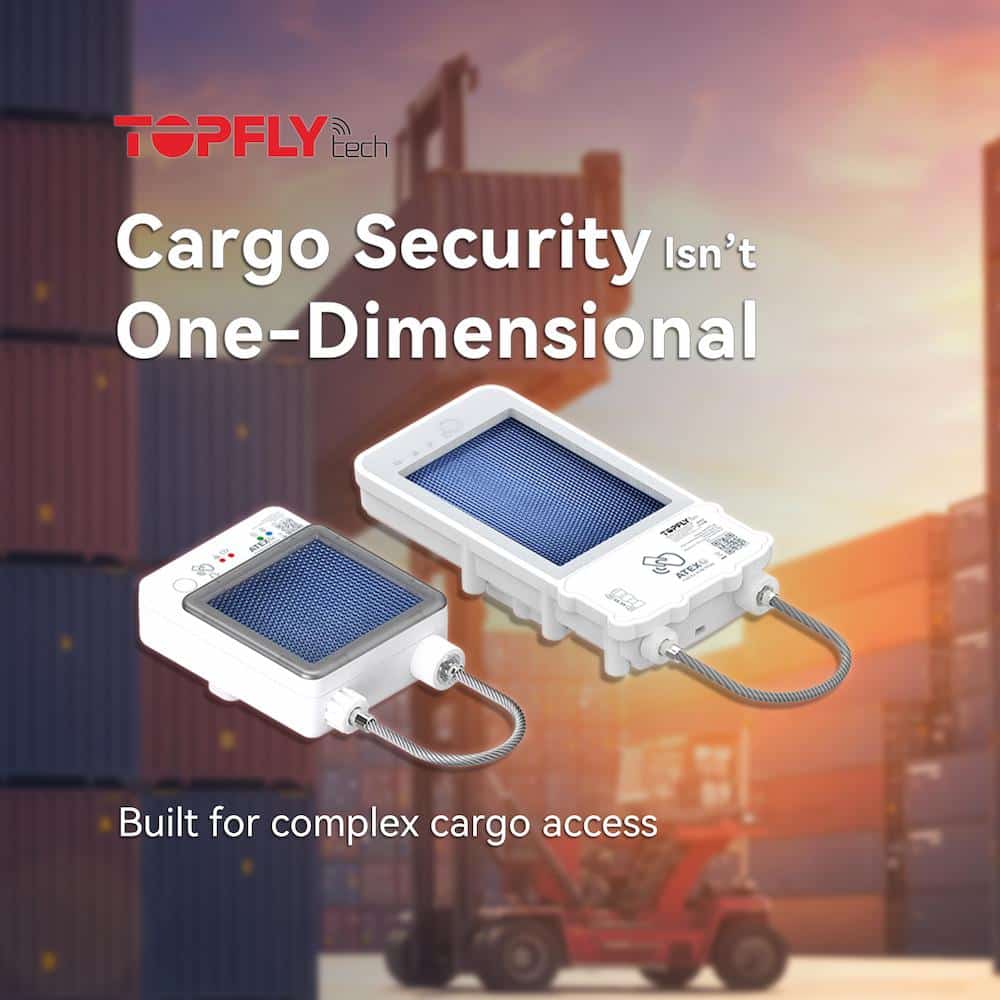
- SolarGuardX 110 — useful when the buyer wants to connect the system discussion to a concrete GPS E-lock product path.
This is not to turn the article into a product page. It is simply the shortest route from the comparison idea to the right operational next step.
The Practical Takeaway
Electronic seals are not obsolete in every context. But they are often too narrow for modern logistics operations that need route-aware supervision, centralized event review, and stronger accountability across handovers. GPS E-lock systems matter because they move the conversation from isolated seal events to managed cargo security.
That is why the better buying question is no longer “Can the seal detect opening?” It is “Can the system support the whole transport-control workflow we actually need?”
Next Step for Buyers Comparing Seal Architectures
If you are starting from the product category, begin with GPS E-lock. If the decision is driven by customs or supervision requirements, go to the Customs Supervision Solution. If the concern is what happens when seal integrity fails in transit, review The True Cost of Tampering. And if you want help mapping the right architecture to your cargo workflow, contact TOPFLYtech for a more practical discussion.