Dry container tracking is one of those use cases where generic asset visibility quickly stops being enough. Operators do not only want to know whether the container exists on the map. They want to know where it is, whether it has been opened, whether its condition has changed, and whether the tracking setup can stay in place without frequent maintenance.
That is why a dry container solution needs more than a generic tracker. It needs a deployment model that matches container realities: outdoor exposure, long transport cycles, door events, and the need for reliable reporting across port, road, and yard transitions.
Why SolarX 130 Fits Dry Container Tracking Well
Dry containers are a strong fit for solar-powered tracking because they often spend meaningful time outdoors and are inconvenient to service frequently. That makes solar power, rugged housing, and long-cycle reporting more valuable than they would be in easier-to-access asset categories.
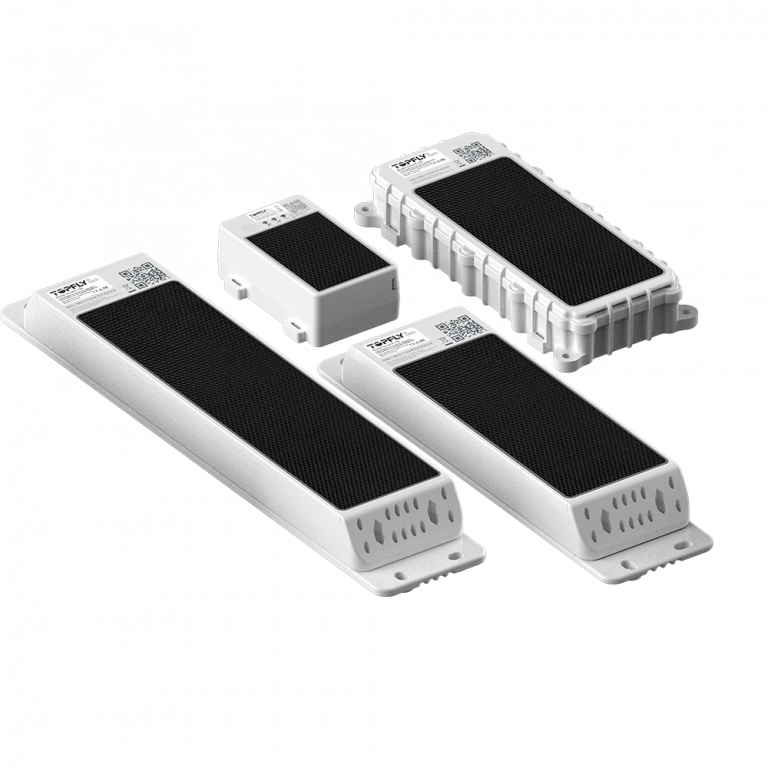
SolarX 130 is relevant here because it brings together:
- solar-assisted endurance for longer operational life,
- real-time location visibility for long-route container movement,
- tamper awareness for container handling risk,
- BLE expandability for integrating condition and door-status signals.
That combination matters because dry container visibility often needs both presence data and event awareness.

Why Sensor Integration Changes the Value of the Solution
A location-only view is useful, but many dry-container operators need more context than coordinates. Once you add door-status and environmental signals, the container becomes much easier to supervise operationally.
That is why BLE accessories and sensor integration matter:
- door-status monitoring helps detect unauthorized opening or handling,
- temperature and humidity visibility becomes useful for sensitive cargo classes,
- alert logic gives operators a better way to manage exceptions instead of waiting for post-trip surprises.
This is the point where a dry container tracker starts behaving more like a solution than a single device.
If the workflow crosses into stronger security needs, TIR Tracking Solution is the more security-oriented adjacent path. If the main problem is broader asset visibility, the Container & Asset Tracking Solution remains the most relevant solution bridge.

What Buyers Should Evaluate Before Choosing a Dry Container Tracking Setup
Before choosing the setup, buyers should usually test four questions:
- How exposed is the container to sunlight and outdoor dwell time?
- Is the priority location visibility, door security, environmental condition, or all three?
- How often can the device realistically be serviced or reconfigured?
- Does the workflow need a simple tracker, or a broader monitoring stack with accessories?
These questions matter because container tracking performance depends as much on the deployment model as on the tracker itself.
Recommended Product Fit for This Use Case
For teams evaluating a dry-container setup, these are the most useful next pages:
- SolarX 130 — the direct product path for this outdoor container-tracking category.
- Container & Asset Tracking Solution — the broader operational view for container and yard visibility.
- T-sense BLE Temperature & Door Sensor — relevant when door events and condition monitoring need to be integrated into the workflow.
- TIR Tracking Solution — the stronger adjacent path when dry-container visibility overlaps with higher-security route control.
This is the shortest route from “interesting product intro” to “practical deployment path.”
The Practical Takeaway
Dry container tracking works best when the operator treats it as a solution design problem, not just a hardware selection problem. Solar power, reporting logic, BLE integration, door events, and deployment environment all shape whether the visibility remains useful in real logistics operations.
That is why SolarX 130 becomes most valuable when it is paired with the right workflow assumptions and the right supporting sensors.
Next Step for Dry-Container Tracking Programs
If you want the direct product view, start with SolarX 130. If you need the broader use-case frame, continue to the Container & Asset Tracking Solution. If door and condition events matter, review T-sense. And if the route requires stronger cargo control, continue to the TIR Tracking Solution or contact TOPFLYtech for a deployment-specific recommendation.