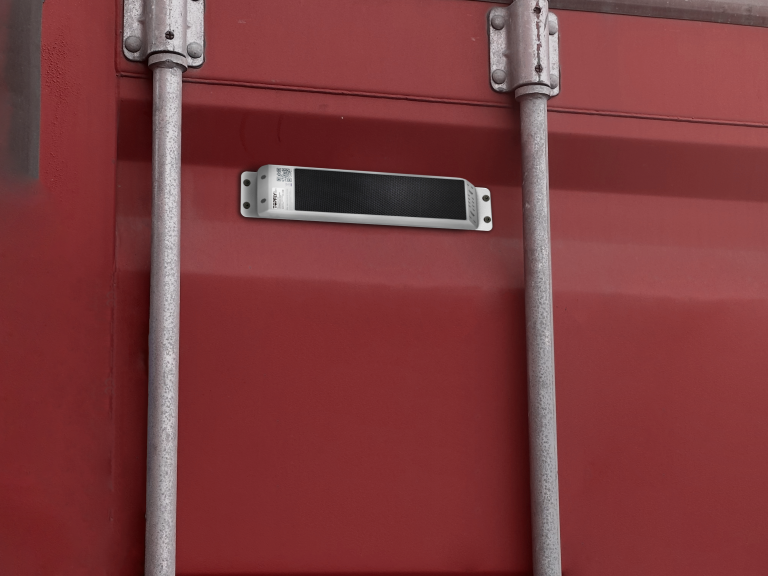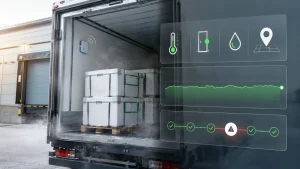
Cold chain visibility connects temperature data with shipment context, helping operations teams respond before a temperature excursion becomes a product-loss event.
But temperature logging and cold chain visibility are not the same thing. A logger can tell a team that a shipment experienced a temperature excursion. Real-time cold chain monitoring can help the team see that risk while the shipment is still moving, understand where it happened, and decide whether to intervene.
This distinction matters for fleet operators, logistics providers, pharmaceutical distributors, food distributors, and other enterprise teams handling temperature-sensitive goods. The question is not whether every shipment needs the most advanced monitoring setup. The better question is: when does after-the-fact evidence stop being enough?
Temperature logging answers what happened; visibility helps teams act sooner
Temperature logging is primarily retrospective. It creates a record of temperature history, usually tied to a shipment, container, pallet, or product batch. This is valuable when a quality team, consignee, or compliance process needs evidence that goods stayed within the required range.
Cold chain visibility adds operational context. Instead of only asking, “Was the temperature acceptable at the end of the journey?”, visibility helps teams answer more practical questions during the journey:
- Where is the shipment now?
- Is the cargo area still within the expected temperature range?
- Did the door open during a stop, loading event, or unauthorized access?
- Is humidity changing in a way that could affect product quality?
- Which vehicle, route segment, or handover point is linked to the issue?
In simple terms, cold chain visibility is the ability to monitor temperature-sensitive goods with enough condition, location, and event data to understand risk and take action during storage or transport.
Public health guidance also shows why cold chain records and response procedures matter. The Australian Government’s National Vaccine Storage Guidelines define the cold chain as the system for transporting and storing vaccines within the recommended temperature range. The World Health Organization also describes the role of temperature data visibility and alerts in cold chain logistics in its immunization cold chain logistics guidance.
When a passive logger is enough
A passive temperature logger can still be the right tool when shipment risk is relatively controlled and the main requirement is proof after delivery. In these cases, real-time alerts may add complexity without changing the operational response.
A passive logger is usually enough when:
- The product has a wider acceptable temperature range or lower spoilage risk.
- The route is short, predictable, and handled by a trusted logistics partner.
- The shipment is not high-value, highly regulated, or time-critical.
- The receiving team mainly needs temperature history for acceptance or recordkeeping.
- There is little opportunity to intervene during transit even if a problem is detected.
For example, a short-distance refrigerated delivery between two controlled facilities may only require a logger if the operator already has strong procedures, trained staff, and consistent transport conditions. In that case, the data logger supports documentation rather than active decision-making.
The limitation is clear: if a logger is only reviewed at the destination, it may confirm that damage happened, but it cannot help the team prevent the damage while the goods are still in motion.
When BLE sensors add better shipment context
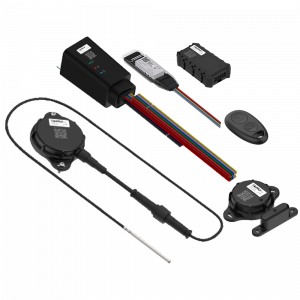
Bluetooth Low Energy sensors are a practical middle layer between basic logging and full real-time shipment visibility. BLE sensors can monitor temperature, humidity, door status, or other condition data, then transmit that data to a compatible gateway, tracker, or mobile device.
This is useful when a cold chain team wants more granular shipment context without placing a cellular device on every box or pallet. BLE sensors can be installed inside a trailer, container, insulated box, or compartment, while a tracker or gateway collects the sensor data and sends it to the platform.
BLE sensors are especially helpful when:
- Temperature can vary by zone inside the same vehicle or container.
- The operator needs to compare cargo-area conditions with route and stop data.
- Different product groups need separate monitoring points.
- Door-open events need to be connected with temperature changes.
- The business needs reusable sensors for recurring cold chain lanes.
For TOPFLYtech partners and fleet operators, products such as the T-Sense BLE temperature and door sensor can support richer condition monitoring. T-Sense combines temperature monitoring with door open and close detection, helping teams connect environmental change with access events instead of treating temperature data as an isolated signal.
The key point is that BLE sensors are not only about collecting more data. They help make the data more explainable. A temperature rise is more useful when the team can also see that the door opened at a delivery stop, the vehicle waited in a hot location, or the goods were exposed during handover.
When real-time alerts become necessary
Real-time cold chain monitoring becomes necessary when the cost of late discovery is higher than the cost of monitoring. This is often the case in pharmaceutical logistics, fresh food distribution, high-value perishables, clinical samples, vaccines, and multi-stop refrigerated transport.
Real-time alerts are worth considering when:
- A temperature excursion can lead to product rejection, disposal, or safety risk.
- The shipment value is high enough that intervention can protect significant inventory.
- The route includes multiple stops, cross-docking, border delays, or handovers.
- Enterprise clients require proof of proactive monitoring, not only post-delivery records.
- Operations teams can take corrective action during transit.
- Quality teams need faster investigation and stronger evidence after an incident.
Real-time monitoring does not remove the need for process discipline. It works best when alerts are tied to clear response rules: who receives the alert, how quickly they must respond, what action they can take, and how the event is documented afterward.
A practical threshold is this: if the team would act differently after receiving an alert, real-time monitoring may be justified. If the only possible action is to wait until delivery and review the record, a passive logger may still be enough.
TOPFLYtech’s cold chain monitoring solution is designed for this kind of operational visibility, combining tracking and sensor data so fleet and logistics teams can monitor shipment conditions with stronger context.
Door status, humidity, location, and chain-of-custody evidence
Temperature is the headline metric in cold chain logistics, but it is rarely the whole story. Many quality issues are easier to understand when temperature data is connected with door status, humidity, location, and custody events.
Door status matters because door openings can rapidly change the cargo environment, especially during loading, unloading, multi-stop delivery, or unauthorized access. A door event does not always mean a problem occurred, but it gives the team a timestamp to compare against temperature movement.
Humidity matters for goods such as fresh produce, flowers, pharmaceuticals, packaging-sensitive products, and certain chemicals. Even when temperature remains acceptable, humidity fluctuation may affect product condition, packaging integrity, or shelf life.
Location matters because it turns a temperature event into an operational question. Was the vehicle delayed at a border? Did the issue happen near a distribution center? Was the shipment stationary too long during a handover? Without location, teams may know what happened but struggle to understand why.
Chain-of-custody evidence matters when several parties handle the same shipment. In enterprise cold chain operations, disputes are not always about whether an excursion occurred. They are often about when it occurred, who had control at the time, and whether the response was appropriate.
That is why mature cold chain visibility is not just “temperature on a dashboard.” It is a connected record of condition data, access events, movement history, and response actions.
FAQ
What is cold chain visibility?
Cold chain visibility is the ability to monitor temperature-sensitive goods with condition data, location data, and event records during storage or transport. It helps teams understand whether goods remain within required conditions and whether action is needed before delivery.
What is the difference between a temperature logger and real-time monitoring?
A temperature logger records temperature history, often for review after delivery. Real-time monitoring sends condition data during transit, allowing operations teams to receive alerts, investigate risk, and take corrective action while the shipment is still moving.
Why does door status matter in cold chain logistics?
Door status matters because door openings can expose refrigerated cargo to warmer air, humidity changes, handling risk, or unauthorized access. When door events are connected with temperature and location data, teams can better understand why a temperature excursion occurred.
When should a company move from passive logging to real-time cold chain monitoring?
A company should consider real-time cold chain monitoring when temperature excursions can cause major product loss, compliance risk, partner disputes, or safety concerns, and when the operations team can take action during transit.
Final thought
Temperature logging is still useful. It provides evidence, supports quality review, and helps teams document what happened. But when the shipment is valuable, sensitive, regulated, or operationally complex, evidence after delivery may not be enough.
Real-time cold chain visibility becomes necessary when teams need to act sooner, understand the cause of a risk event, and protect product quality before a temperature excursion becomes a rejected shipment.
For fleets, logistics providers, and channel partners building a more proactive cold chain operation, TOPFLYtech can help connect temperature, humidity, door status, and location data into a more actionable monitoring workflow.
Explore TOPFLYtech cold chain monitoring solutions or learn more about the T-Sense BLE temperature and door sensor.