In the world of vehicle diagnostics, the debate around OBD1 vs OBD2 has never really gone away. Fleet operators still ask us which system their vehicles use, why the two standards matter, and how this affects telematics deployments.
From TOPFLYtech’s perspective as an IoT device manufacturer, the shift from OBD1 to OBD2 is more than a technical update—it’s the turning point that made today’s connected fleet ecosystem even possible.
Let’s break it down clearly, smartly, and without the fluff.
In Short, What Is the Difference Between OBD1 and OBD2?
The short answer: compatibility, data quality, and standardization.
The long answer—well, that’s where things get interesting.
Below are the core distinctions that define the OBD1 vs OBD2 landscape.
1. Interface Standardization: Many Shapes vs. One Universal Port
OBD1 systems used manufacturer-specific diagnostic connectors. The different shapes; different pin layouts, and different tools. A maze—charming for collectors, not for fleets.
OBD2, introduced in 1996, unified everything with a standard 16-pin trapezoid connector, still used globally today.
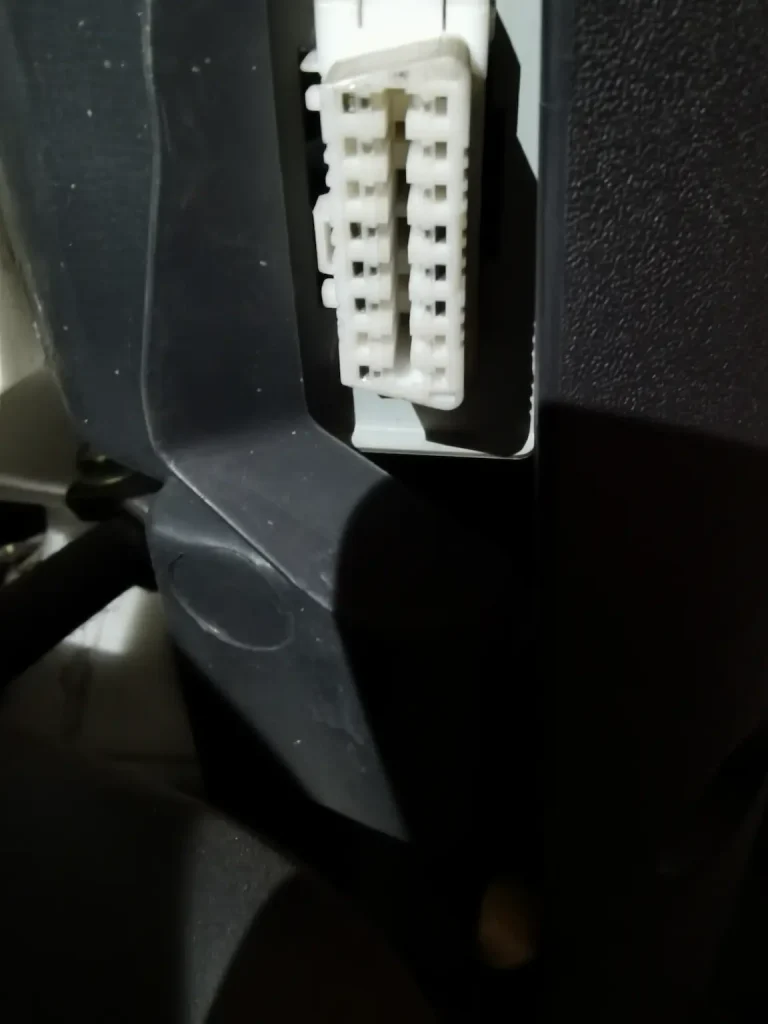
For modern deployments, this means:
- Faster installation
- Wider device compatibility
- Less downtime
- Predictable performance
This standardization is why TOPFLYtech’s OBD devices can operate reliably across multi-brand fleets.
2. Protocols: Proprietary Languages vs. a Universal Framework
In the OBD1 era, each manufacturer spoke its own diagnostic “language.”
OBD2 changed the landscape by adopting unified protocols like:
- CAN
- ISO 9141-2
- SAE J1850 PWM / VPW
This is where OBD1 vs OBD2 shows its biggest transformation. A shared communication foundation allows IoT manufacturers to design one device that works across regions and vehicle types—critical for scalable telematics.
3. Data Capability: Basic Emissions Data vs. Full Vehicle Insight
Let’s compare the real-world usability of OBD1 vs OBD2:
OBD1
- Mostly emissions-related parameters
- Limited real-time data
- No universal PIDs
- Major variation between brands
OBD2
- Engine RPM
- Speed
- Fuel data
- Throttle position
- DTCs (Diagnostic Trouble Codes)
- Driving behavior indicators
- Support for add-on sensors (BLE, CAN accessories)
In modern fleet operations, visibility is everything. OBD2 delivers that visibility—OBD1 does not.
4. Vehicle Compatibility: Pre-1996 vs. the Modern Global Standard
- OBD1: Used mostly before 1996 (US timeline varies slightly by region)
- OBD2: Required for nearly all vehicles manufactured from 1996 onward
Today’s fleets—cars, vans, light trucks, hybrid vehicles, and many EV models—universally rely on OBD2 ports for diagnostics and telematics installations.
This makes OBD2 the practical standard for rental fleets, insurance UBI programs, logistics companies, and corporate vehicles.
5. Diagnostic Codes: Proprietary vs. Universal Logic
Under OBD1, diagnostic codes differed across brands.
Troubleshooting required specialized tools and expertise.
OBD2 introduced a unified DTC structure:
- P0xxx = Standardized universal codes
- P1xxx = Manufacturer-specific codes
This clarity enables accurate remote diagnostics, faster maintenance, and better fleet safety strategies.
6. User Experience: Specialized Tools vs. Plug-and-Play Telematics
To read OBD1 data, you needed brand-specific equipment. Installing an OBD1-based device? Not fun.
OBD2 redefined the experience:
- Plug-and-play installation
- Broad tool ecosystem
- Faster fleet deployment
- Support for modern telematics hardware

As the foundation, that enables fast-rollout devices like TOPFLYtech’s TorchX OBD series. You may ask Why OBD2 Matters for Today’s IoT and Fleet Solutions
In general, the “OBD1 vs OBD2” comparison isn’t just academic, but directly shapes the performance and cost of telematics systems. OBD2 is the diagnostic backbone of the entire vehicle IoT ecosystem.
Here is what OBD2 unlocks for modern operations:
- Accurate driving behavior analytics
- Real-time engine insights
- Lower installation labor
- Better compatibility across mixed fleets
- Reliable data streams for AI and predictive models
- Easy integration with BLE sensors and peripherals
Conclusion: OBD1 vs OBD2 Defines the Future of Connected Vehicles
When we look at OBD1 vs OBD2, the difference is not simply “old vs. new.” It marks the moment the automotive world agreed to speak a shared diagnostic language.
On that foundation, companies like TOPFLYtech built smarter, more scalable IoT solutions that now support fleets worldwide.
If your fleet, platform, or product team wants to explore OBD2-based telematics or plug-and-play tracking devices, we’ re here—quietly, calmly, and very good at making the complex feel easy.