What Is an OBD-II Tracker and Why Does It Matter for Fleet Management?
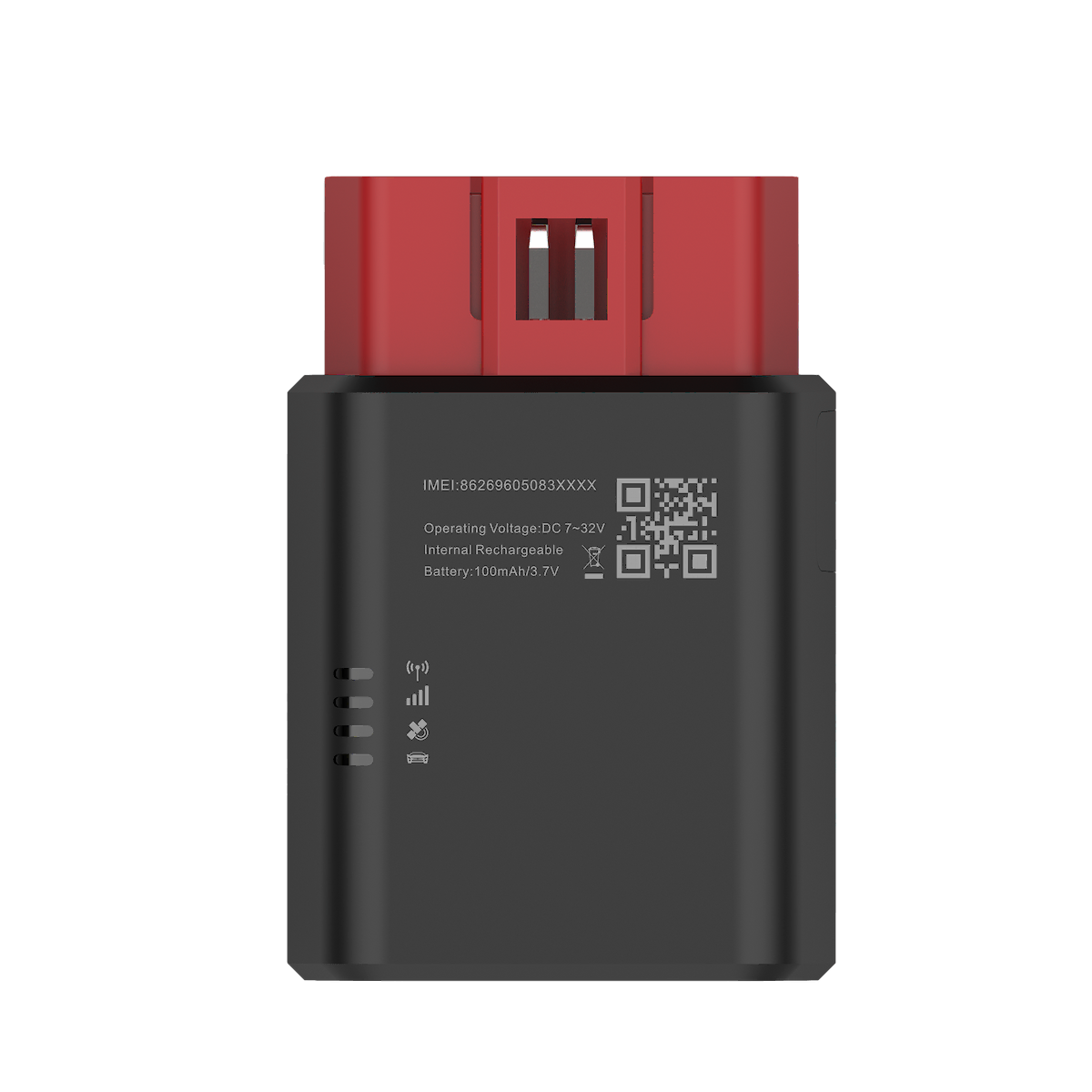
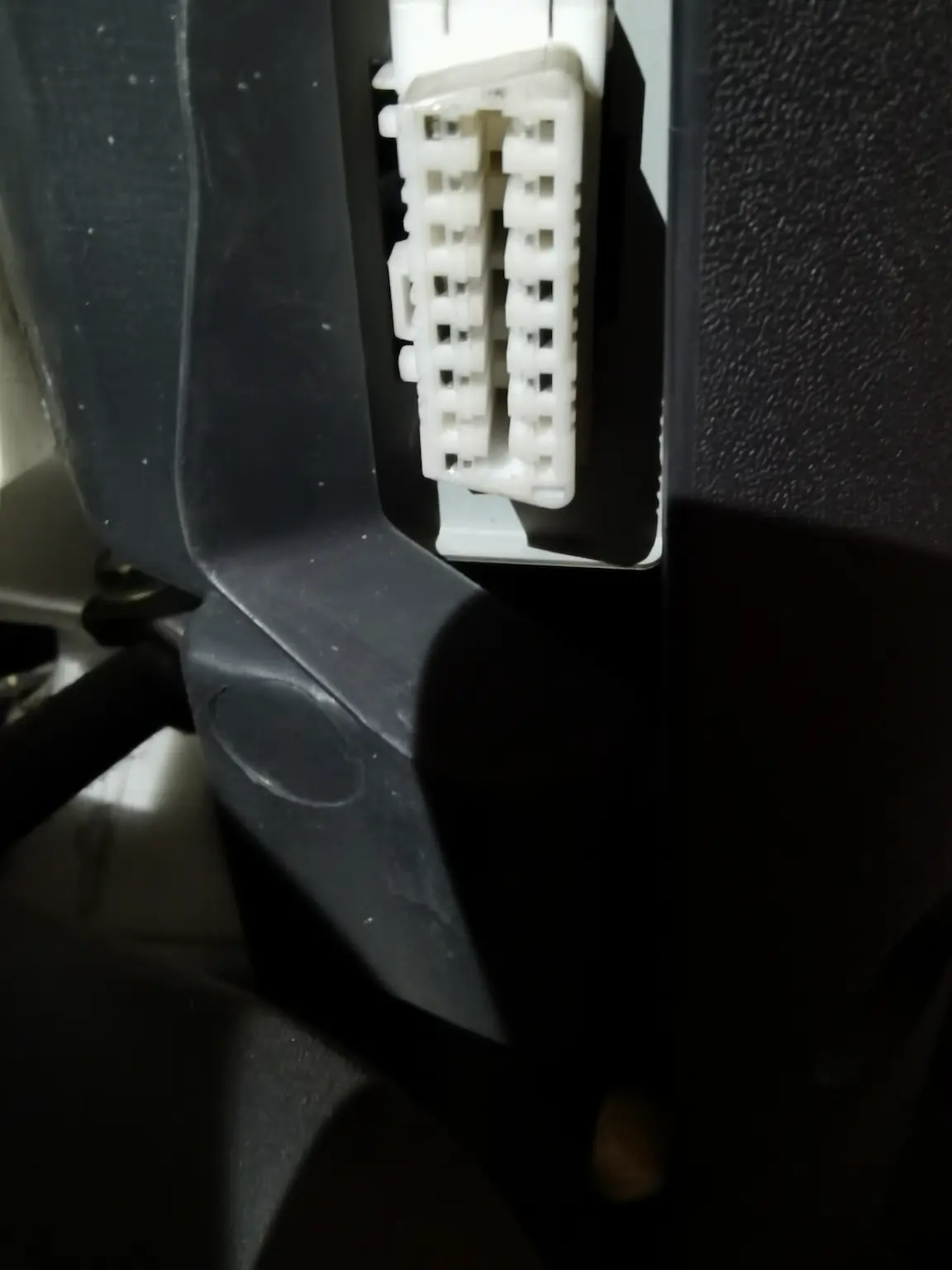
An OBD-II tracker is a GPS and telematics device that connects directly to a vehicle’s On-Board Diagnostics II (OBD2) port — the standardized diagnostic socket found in virtually every passenger car and light commercial vehicle manufactured after 1996. Unlike hardwired GPS trackers that require professional installation, an OBD-II tracker can be plugged in within seconds, making it one of the fastest ways to add real-time vehicle visibility to a fleet.
The OBD-II standard was mandated by the U.S. Environmental Protection Agency (EPA) for all light-duty vehicles sold in the United States from the 1996 model year onward, and is codified under 40 CFR 86.1806-27. This universal standardization is precisely what makes OBD-II trackers practical for fleet deployment across mixed vehicle makes and models.
For fleet managers, operations teams, and businesses exploring vehicle tracking for the first time, OBD-II trackers offer a practical entry point: no wiring, no installer scheduling, and no vehicle downtime. Once connected, the device begins transmitting location data, engine diagnostics, and driving behavior metrics to a cloud platform, giving dispatchers and managers immediate insight into where vehicles are and how they are being driven.
Key Industries and Use Cases
Small and Mid-Size Fleet Management
Companies managing 5 to 100 vehicles — service vans, delivery cars, company cars — often find hardwired tracker installation impractical at scale. OBD-II trackers allow these businesses to deploy tracking across an entire fleet in a single afternoon. Real-time location, geofencing alerts, and route history give dispatch teams the visibility they need to optimize scheduling and respond to customer inquiries accurately.
Car Rental and Vehicle Leasing
Rental companies face a specific challenge: vehicles rotate between customers constantly, and knowing a vehicle’s exact location, mileage, and engine status at any given moment is both a safety and a liability concern. An OBD-II tracker provides rental operators with continuous location updates and basic diagnostic alerts — such as battery voltage warnings or fault codes — without requiring any permanent hardware modification to the vehicle.
Usage-Based Insurance (UBI)
Insurance providers and fleet operators implementing usage-based insurance programs need reliable, tamper-aware data on driving behavior: hard braking, rapid acceleration, sharp cornering, and total mileage. OBD-II trackers are a standard data source for UBI programs because they capture both GPS movement and engine data from a single device, reducing the complexity of building a telematics data pipeline.
Corporate Vehicle Compliance
Many organizations issue company vehicles to employees and need to enforce policy compliance — verifying that vehicles stay within approved zones during business hours, tracking personal versus business mileage, and generating reports for expense reimbursement or audit purposes. OBD-II trackers make this straightforward without requiring IT involvement or complex installation logistics.
What Data Does an OBD2 Tracker Capture?
Modern OBD-II trackers do more than transmit GPS coordinates. Through the OBD-II port, the device can read directly from the vehicle’s ECU (Engine Control Unit), providing a richer dataset than a standalone GPS unit. Typical data points include real-time location and speed, trip history with start and end points, engine fault codes (DTC), vehicle battery voltage, fuel consumption estimates (where supported by the vehicle), and driving behavior metrics such as harsh braking and acceleration events.
This combination of location data and diagnostic data makes OBD-II trackers particularly valuable for preventive maintenance programs. A fleet manager can receive an alert when a vehicle logs a fault code, dispatch a driver for inspection before a breakdown occurs, and maintain a digital service record tied to each vehicle’s actual usage.
OBD-II Trackers vs. Hardwired Trackers: How to Choose
The choice between an OBD2 tracker and a hardwired tracker generally comes down to three factors: installation flexibility, tamper resistance, and power management.
OBD2 trackers win on installation speed and portability. They are ideal for fleets where vehicles are frequently swapped, for short-term deployments, or for organizations that do not want to modify vehicle hardware. They draw power directly from the OBD2 port, which means they are always on when the vehicle is in use — but they can also be unplugged easily, which may be a concern in environments where driver compliance is an issue.
Hardwired trackers, by contrast, are more difficult to remove and can be configured for continuous 24/7 monitoring even when the vehicle is parked. For high-value asset protection, long-haul trucking, or applications where tamper resistance is a priority, hardwired solutions are generally the stronger choice.
For many fleets, the practical approach is to start with OBD2 trackers for quick deployment, then migrate high-priority or high-value vehicles to hardwired units as the program matures. TOPFLYtech offers both product lines, allowing customers to mix and match based on their specific operational needs. You can compare the full range of vehicle tracking products or explore dedicated hardwired tracker options to understand the differences.
Deployment Advantages: Getting a Fleet Online Quickly
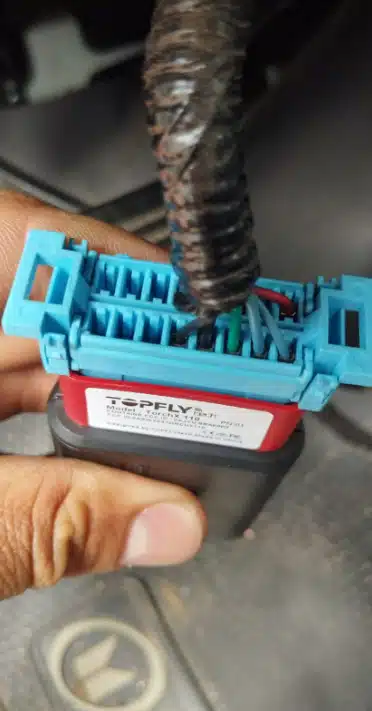
One of the underappreciated advantages of OBD2 trackers is the speed of initial deployment. For a business evaluating GPS tracking for the first time, or for a fleet manager trying to get a pilot program running before a budget cycle closes, the ability to instrument 20 vehicles in a single day — without scheduling technician visits — is a meaningful operational advantage.
Onboarding is typically straightforward: connect the device to the OBD-II port, power on the vehicle, and the tracker registers on the platform within minutes. Configuration, geofence setup, and user access can all be handled remotely through the fleet management dashboard.
This low friction also applies to redeployment. When a vehicle is sold or taken out of service, the tracker can be moved to a replacement vehicle immediately, protecting the hardware investment across fleet lifecycle changes.
Regulatory Context: ELD, Fleet Compliance, and Telematics
For commercial fleet operators in the United States, the regulatory environment increasingly favors electronic vehicle monitoring. The Federal Motor Carrier Safety Administration (FMCSA) mandates Electronic Logging Devices (ELDs) for most commercial motor vehicle drivers under the ELD Final Rule, creating a broader compliance infrastructure in which GPS and telematics data play a central role. While OBD2 trackers serve a different function from ELDs, they complement compliance programs by providing location verification, engine data, and driver behavior records that support audit and reporting workflows.
Considerations Before You Buy
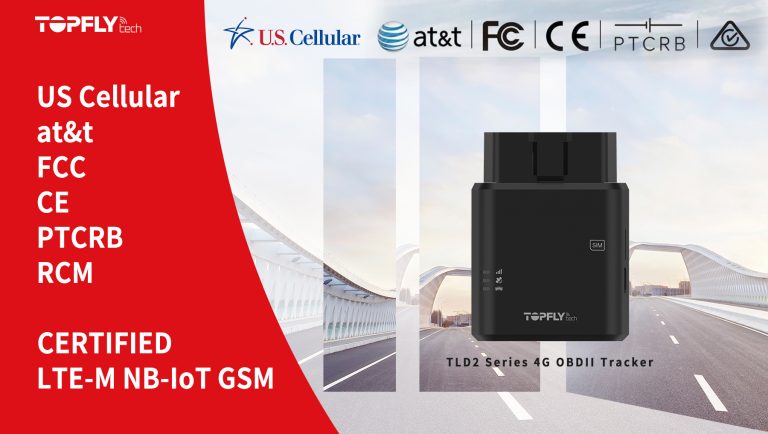
Not all OBD-II trackers are equal, and selecting the right device requires matching specifications to your actual use case. Key considerations include cellular network compatibility (make sure the device supports the networks available in your operating region), data plan and platform costs (hardware price is only part of the total cost of ownership), update frequency (how often the device reports location — this affects battery load and data costs), and platform integration options (does the tracker’s software integrate with your existing dispatch or ERP systems?).
It is also worth confirming whether the device supports passive data storage for areas with poor cellular coverage, and whether the platform offers the reporting and alerting features your operations team actually needs day-to-day.
If you are evaluating OBD2 tracking as part of a broader connected vehicle strategy, TOPFLYtech’s connected vehicles solutions page provides an overview of how OBD2 devices fit into larger fleet telematics architectures. For organizations tracking mixed assets — vehicles alongside trailers, equipment, or cargo — the asset tracking solutions section covers how to extend visibility beyond the vehicle itself.
Getting Started with OBD-II Tracking
For most businesses, the starting point is a straightforward evaluation: identify a small group of vehicles, deploy OBD-II trackers, and measure the value generated over 30 to 60 days. Common metrics to track include dispatcher response time improvement, reduction in unauthorized vehicle use, fuel cost changes from route optimization, and maintenance cost impact from early fault code detection.
Once the pilot validates the business case, scaling to a full fleet deployment is largely a logistics exercise — ordering sufficient devices and configuring them through the platform. TOPFLYtech’s dedicated OBD2 tracker product page covers device specifications, supported vehicle types, and platform capabilities in detail. The solutions overview provides additional context on how tracking integrates with broader fleet and asset management workflows.
If you are ready to discuss a specific deployment scenario or need help selecting the right device for your fleet, the contact page connects you directly with TOPFLYtech’s technical sales team.