Parcel tracking is no longer only about finding a package on a map. For many logistics teams, the harder problem is combining compact form factor, long enough battery life, and enough sensing or connectivity to make the tracker useful across real shipment workflows. That is why ultra-thin parcel trackers matter: they need to fit modern packaging and still deliver more than a location ping.
CyberLabelX 100 sits in that category. But the real value of the device is not just that it is thin. It is that the thin design can be matched to parcel, returnable packaging, cold-chain parcel, and high-value shipment workflows where larger trackers become awkward or operationally expensive.
Why Thin Form Factor Matters in Parcel Tracking
Traditional trackers often create friction in parcel workflows because the device is too bulky, too visible, or too inconvenient for routine handling. In parcel and lightweight shipment environments, that matters more than people expect.
A thinner tracker helps when teams need:
- simpler attachment to parcels or lightweight crates,
- less disruption to packaging and handling routines,
- a device that fits temporary shipment monitoring rather than permanent asset installation,
- better suitability for returnable packaging and mobile logistics programs.
This is what makes CyberLabelX different from a general-purpose asset tracker. It is not trying to solve every tracking problem. It is designed for shipment formats where footprint and practicality directly affect adoption.

Where CyberLabelX 100 Fits Best
The strongest fit for CyberLabelX 100 is not “all logistics.” It is the set of workflows where a compact parcel tracker creates clear operational value.
- high-value shipments where temporary visibility reduces loss and dispute risk,
- cold-chain parcels where temperature and shipment condition matter alongside location,
- returnable packaging where reusable containers or shipment assets need to be recovered,
- warehouse and internal logistics where mobile units move between facilities or departments.
That is why the device should be understood as part of a workflow decision, not just as a hardware spec sheet.
What Buyers Should Evaluate Before Choosing a Parcel Tracker
Before selecting a device like CyberLabelX, buyers usually need to check four things:
- shipment profile: Is the tracker used for one-way shipments, returnable assets, or repeated monitoring cycles?
- environmental needs: Does the workflow require temperature or humidity visibility, or only location?
- battery and reporting fit: How often does the device really need to report during transit?
- attachment practicality: Will the tracker fit the packaging process without adding excessive handling friction?
These questions matter because parcel tracking success depends as much on operational fit as on connectivity.
If the broader use case is parcel visibility rather than this specific hardware path, the Parcel Tracking Solution provides the larger workflow view. If the requirement includes cold-chain parcel monitoring, the Cold Chain Monitoring Solution and Temperature & Humidity Monitoring path are more relevant than a parcel-only comparison.
Recommended Product Fit for This Use Case
For readers trying to decide what to review next, this is the clearest lightweight path:
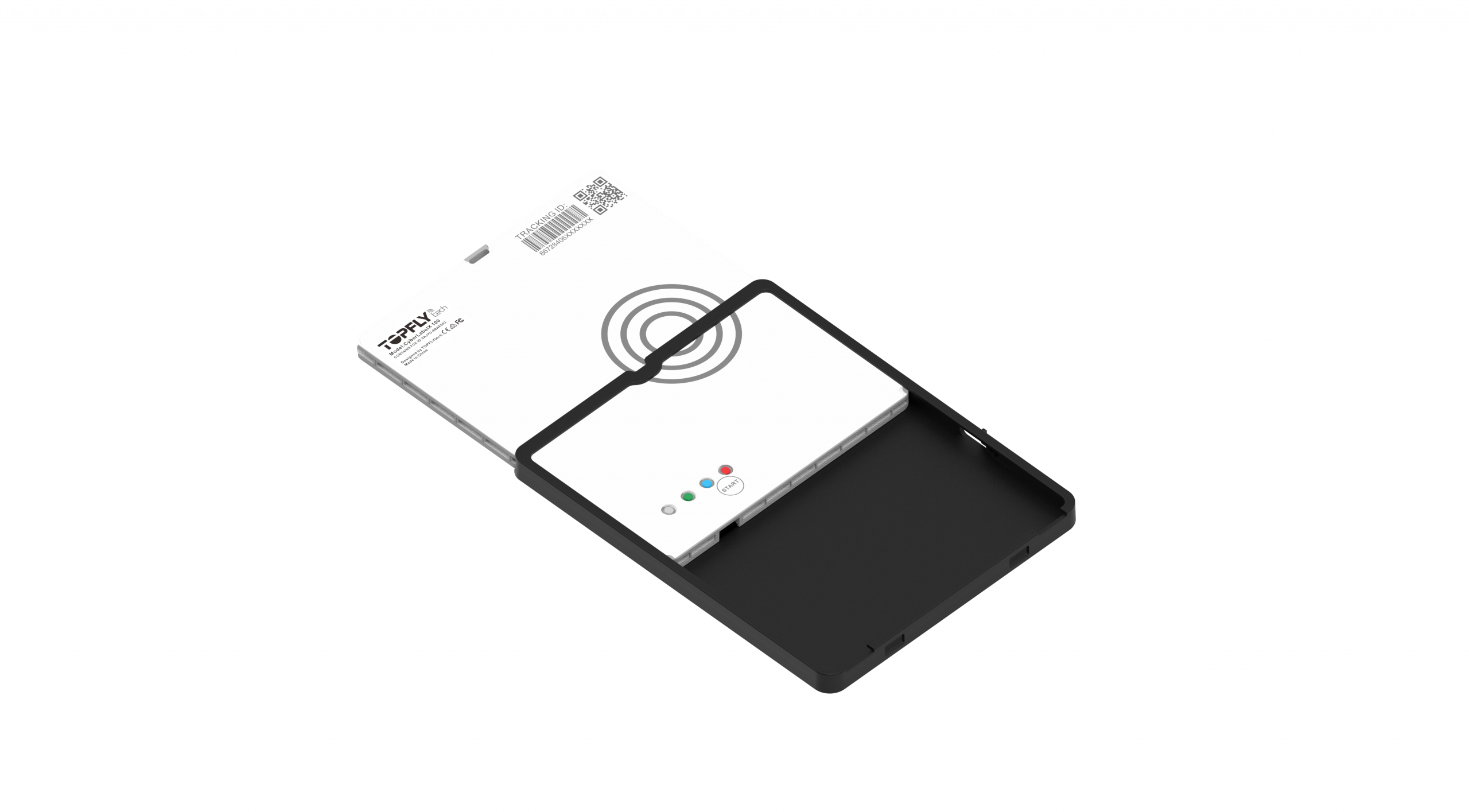
- CyberLabelX 100 — the direct product page for this parcel-tracking form factor.
- Parcel Tracking Solution — the best path when the decision is really about workflow fit rather than one device alone.
- Cold Chain Monitoring Solution — the better route when parcel visibility overlaps with cold-chain operations.
- Temperature & Humidity Monitoring — the right next stop if environmental condition data matters as much as location.
That keeps the article helpful without turning it into a heavy solution-page module.
The Practical Takeaway
CyberLabelX 100 matters because it fits a category of parcel workflows where standard trackers create too much friction. Its value comes from combining compact physical design with enough intelligence for shipment visibility, condition monitoring, and temporary deployment flexibility.
So the best buying question is not simply “Is this tracker thin?” It is “Does this tracker fit the packaging, reporting, and shipment-control workflow we actually run?”
Next Step for Parcel-Tracking Teams
If you want the direct product view, start with CyberLabelX 100. If you want the bigger operational frame, continue to the Parcel Tracking Solution. If the same project overlaps with temperature-sensitive shipments, review the Cold Chain Monitoring Solution as well. And if you want help matching the right parcel-tracking setup to your shipment profile, contact TOPFLYtech for a practical recommendation.